You Won’t Believe What I Found in Gwangju’s Hidden Wilds
Tucked away from Korea’s bustling cities, Gwangju offers a surprisingly serene escape where nature and culture quietly intertwine. I went searching for peace and left with a heart full of wonder. From misty mountain trails to tranquil riverside paths, the city’s natural beauty is both refreshing and deeply grounding. This isn’t just a trip—it’s a sensory journey through lush valleys, blooming parks, and forested hideaways most travelers never see. What I discovered was not only a landscape rich in greenery but a community that lives in harmony with its environment. Gwangju invites you to slow down, breathe deeply, and reconnect—not only with nature but with yourself.
Discovering Gwangju: More Than a Cultural Hub
Gwangju is often celebrated for its vibrant arts scene and historical significance, yet its quieter, greener side remains one of South Korea’s best-kept secrets. While many visitors flock to Seoul, Busan, or Jeju, Gwangju unfolds at a gentler pace, where city life flows seamlessly into natural retreats. Upon arrival, the air feels different—cleaner, softer, carrying the faint scent of pine and damp earth. The city is cradled by mountains and threaded with streams, offering a rhythm that feels more attuned to nature than urban urgency.
Unlike the relentless pace of larger metropolises, Gwangju embraces a philosophy of balance. Public parks are not afterthoughts but essential parts of daily life. The May 18th National Cemetery, while a place of solemn remembrance, is also surrounded by open green space where families stroll and elderly couples sit on benches reading books. Art galleries and performance halls coexist with tree-lined avenues and community gardens, creating a cultural landscape that values both expression and tranquility.
What stands out most is how integrated nature is in the lives of residents. Children play in grassy plazas after school, neighbors gather under ginkgo trees for tea, and office workers take short walks through forested trails during lunch breaks. This deep respect for the natural world isn’t performative—it’s woven into the city’s identity. For a traveler seeking authenticity, Gwangju offers not just scenic views but a model of sustainable, mindful living.
Mudeung Mountain: A Hiker’s Quiet Paradise
Rising majestically on the northern edge of the city, Mudeung Mountain is the crown jewel of Gwangju’s natural offerings. Designated as a UNESCO Global Geopark, it’s a place where geological history meets breathtaking beauty. Its sandstone cliffs, formed over millions of years, create dramatic formations that seem almost sculpted by hand. Yet despite its grandeur, Mudeung remains accessible and welcoming to hikers of all levels.
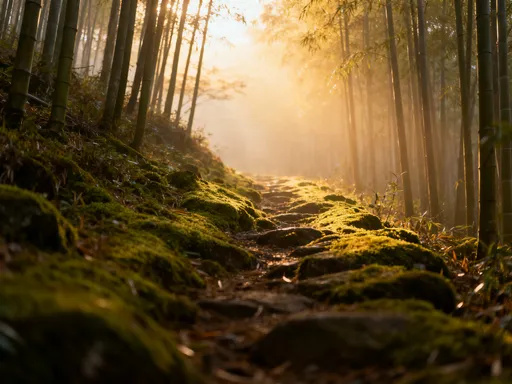
Two of the most popular routes—the Cheomseongdae Trail and the Gwaneumsa Temple Path—offer distinct experiences. The Cheomseongdae course begins with a gentle ascent through bamboo groves, where sunlight filters through the tall stalks in golden stripes. Moss blankets the ancient rocks, and the air hums with the quiet sounds of rustling leaves and distant bird calls. After about an hour, the path opens to a panoramic view of Gwangju below, often shrouded in a soft morning mist.
The Gwaneumsa route, named after the historic temple nestled in the mountainside, is slightly more challenging but equally rewarding. As you climb, you pass stone pagodas and weathered prayer flags fluttering in the breeze. The temple itself, dating back over a thousand years, sits in quiet dignity amid towering pines. Pilgrims and hikers alike pause here for a moment of reflection before continuing upward toward the summit.
One of the most magical experiences Mudeung offers is sunrise from Seoseokdae, one of its highest peaks. Arriving before dawn, you’ll likely share the trail with locals who come regularly to greet the morning. As the sky shifts from indigo to rose-gold, the city slowly emerges from shadow, and the valley fills with light. It’s a moment of profound stillness—a reminder of how small we are, and how beautiful the world can be when seen from above.
Gwangjuho Lake: Where Water Meets Serenity
Just a short distance from the city center lies Gwangjuho Reservoir, a vast body of water that serves both practical and poetic purposes. While it provides irrigation and drinking water for the region, it also functions as a sanctuary for both wildlife and weary souls. The surrounding Gwangjuho Lake Park stretches for miles, offering a network of paved and dirt paths perfect for walking, jogging, or cycling.
One of the most peaceful ways to experience the lake is by bicycle. Rentals are available near the main entrance, and the flat terrain makes it ideal for families and casual riders. As you pedal along the shoreline, you’ll pass clusters of reeds swaying in the wind, wooden observation decks, and quiet coves where ducks glide across the surface. In summer, the lotus fields bloom in spectacular fashion—pink and white flowers rising from emerald pads, creating a scene that feels almost dreamlike.
Birdwatchers will find Gwangjuho especially rewarding. During winter months, the lake becomes a stopover for migratory birds, including herons, egrets, and even the rare Baikal teal. Binoculars and a quiet seat on one of the viewing platforms can yield hours of peaceful observation. Even without spotting a rare species, the simple act of watching waterfowl glide across the water has a meditative quality.
For families, the lake is a favorite spot for weekend picnics. Parents spread out blankets under willow trees, children fly kites on the open fields, and grandparents stroll hand-in-hand along the water’s edge. There’s a gentle rhythm to life here—one that encourages presence and connection. Whether you come to exercise, reflect, or simply sit and watch the clouds drift by, Gwangjuho offers a rare gift: uninterrupted stillness.
Pilgrimage to Yangnim-dong’s Hidden Green Alleys
While much of Gwangju’s natural beauty lies on its outskirts, some of its most enchanting moments happen within the city itself. The neighborhood of Yangnim-dong, nestled between low hills and old stone walls, feels like stepping into a different era. Here, narrow streets wind upward, flanked by ivy-covered fences, flowering camellias, and centuries-old zelkova trees that form a canopy overhead.
Walking through Yangnim-dong is like moving through a living garden. In spring, cherry blossoms spill over stone walls in delicate waves of pink. In autumn, the ginkgo trees turn the sidewalks into rivers of gold. Residents tend to their small gardens with care, and it’s not uncommon to see an elderly woman watering potted chrysanthemums or a man pruning a plum tree in his front yard. There’s a quiet pride in maintaining beauty, even in the most ordinary spaces.
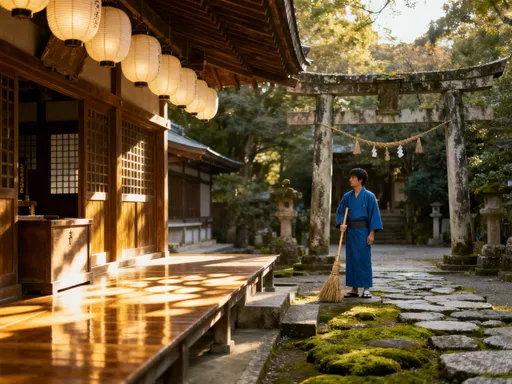
Hidden among the homes are small temples and shrines, often marked only by a simple gate or a few stone steps. One such place, Seosuk Temple, sits tucked into a hillside, reachable by a mossy stone path. It’s not large or ornate, but its simplicity is its strength. Visitors light incense, bow quietly, and leave offerings of fruit or flowers. The sound of wind chimes mingles with the rustle of leaves, creating a space of deep calm.
What makes Yangnim-dong special is its accessibility. You don’t need hiking boots or a full day to experience it. A simple walk after dinner, a pause on a bench with a view of the city lights below—these small moments accumulate into a sense of peace. It’s a reminder that nature doesn’t always require grand expeditions; sometimes, it’s just around the corner, waiting to be noticed.
Seasonal Magic: When Nature Puts on a Show
Gwangju’s landscape transforms with the seasons, each one offering a unique palette and rhythm. Spring arrives with a burst of color as azaleas bloom across Mudeung Mountain. The hillsides turn fiery with shades of red, pink, and coral, drawing visitors from across the region. Local festivals celebrate the bloom, with tea ceremonies, traditional music, and guided nature walks.
Summer brings warmth and lushness. The lotus fields at Gwangjuho Lake reach their peak in July and August, their broad leaves and fragrant flowers creating a sense of serenity. Even on hot days, the breeze off the water keeps the park comfortable. This is also the season for evening strolls, when the humidity lifts and families gather to enjoy the cooler air.
Autumn is perhaps the most beloved time of year. The maple trees in Juam Valley, located just outside the city, turn into a tapestry of crimson, amber, and gold. Hiking trails become carpeted with fallen leaves, and the air carries a crisp clarity. Many locals take day trips to this valley specifically to enjoy the foliage, packing simple meals to eat on wooden platforms overlooking the stream.
Winter, though quieter, has its own subtle beauty. Frost coats the grass in the early morning, and fog often drapes over Gwangjuho Lake like a veil. The city doesn’t shut down—it adapts. You’ll see people bundled in coats walking the trails, their breath visible in the cold air. Some come to feed the birds; others simply enjoy the silence. Even in dormancy, nature here feels alive, waiting.
Local Encounters: Nature Through the Eyes of Residents
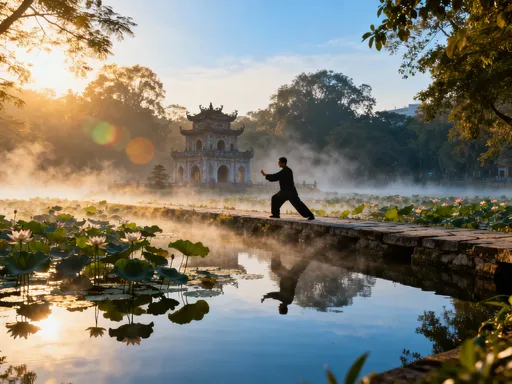
What truly sets Gwangju apart is not just its landscapes but the way its people engage with them. Nature here is not something to be observed from a distance—it’s lived, breathed, and cherished. Every morning at dawn, groups of residents gather in parks like World Cup Park or Gwangju Children’s Park for tai chi, stretching, and light calisthenics. It’s a ritual that bridges generations, with grandparents guiding grandchildren through gentle movements.
In the foothills and rural outskirts, small-scale farming continues as it has for generations. Elderly farmers tend to plots of perilla, garlic, and chili peppers, their hands weathered but steady. Some offer visitors the chance to pick fresh herbs or learn about traditional Korean gardening techniques. These interactions are never forced; they happen naturally, born of shared respect for the land.
Tea culture also plays a role in connecting people to nature. In quiet teahouses near Mudeung or along the lake, women gather for herbal tea sessions, sipping blends made from locally foraged mugwort, chrysanthemum, or wild ginger. Conversations flow slowly, like the steam rising from their cups. There’s no rush, no agenda—just presence.
One elderly woman I met during a walk in Yangnim-dong told me, “We don’t go to nature to escape life. We go because this *is* life.” Her words stayed with me. In Gwangju, nature isn’t an escape from the everyday—it’s the foundation of it. It’s in the food people grow, the air they breathe, the paths they walk each day.
Planning Your Nature Escape: Practical Tips for a Smooth Trip
For those ready to experience Gwangju’s natural wonders, a little planning goes a long way. The city is easily accessible by high-speed KTX train from Seoul (about two and a half hours) or by domestic flight to Gwangju Airport. Once there, public transportation—including buses and a clean, efficient subway system—makes it simple to reach major sites without a car.
For maximum flexibility, consider renting a bicycle or using one of the city’s public bike-sharing programs. Many trails and parks are connected by dedicated bike lanes, and rentals are affordable. If you plan to hike Mudeung Mountain, wear sturdy shoes and bring water—some trails can be slippery after rain. Early morning or late afternoon visits help avoid midday heat in summer and crowds on weekends.
A three- to four-day itinerary allows enough time to explore without rushing. Start with Mudeung Mountain, spend a full day at Gwangjuho Lake, dedicate one morning to walking through Yangnim-dong, and leave room for spontaneous discoveries. Combine outdoor time with cultural stops like the Gwangju National Museum or the Kim Dae-jung Convention Center, which often hosts art exhibitions and seasonal markets.
Packing essentials include a light rain jacket (the weather can shift quickly), sunscreen, a reusable water bottle, and a small backpack. Gwangju is committed to eco-friendly tourism, so you’ll find recycling bins throughout parks and encouragement to leave no trace. Many restaurants and cafes also emphasize local, seasonal ingredients, making dining another way to connect with the region’s natural abundance.
Travelers of all ages and fitness levels will find something meaningful here. Families can enjoy picnics and easy walks, solo travelers can find solitude on mountain trails, and older adults will appreciate the gentle pace and accessible paths. Gwangju doesn’t demand adventure—it offers peace.
Gwangju’s true charm lies not in grand spectacles but in its quiet, everyday beauty—a city that lets you breathe deeply and walk slowly. By stepping into its natural landscapes, you don’t just see a destination; you feel a different way of living. Whether on a mountain path or a lakeside bench, you’re reminded that nature isn’t separate from life—it is life. This is what makes Gwangju not just a place to visit, but a place to remember.