You Won’t Believe These Hidden Corners of Pula’s City Blocks
Pula, Croatia, is more than its famous Roman amphitheater. Tucked between ancient stones and coastal breeze are quiet city blocks most tourists walk right past. I wandered off the main paths and found vibrant street art, family-run konobas, and sunlit courtyards alive with local life. This isn’t just sightseeing—it’s experiencing the soul of a place. If you’re ready to see Pula like a true insider, come along. These hidden corners will change how you travel forever.
Beyond the Arena: The Real Heart of Pula
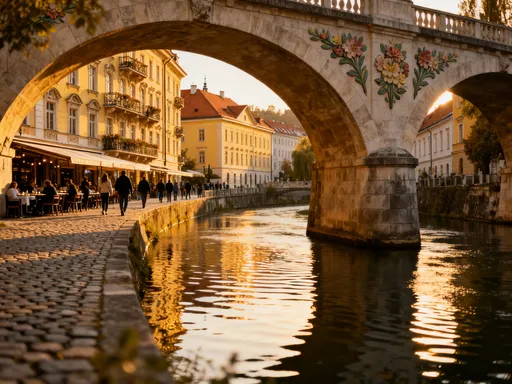
Every visitor to Pula arrives with the same image in mind—the grand stone curves of the Pula Arena, rising like a monument from another time. And yes, it is magnificent. But the true essence of the city does not live within that ancient ellipse. It pulses in the quiet spaces between, in the residential blocks where laundry sways above cobbled lanes and cats nap in patches of afternoon sun. These neighborhoods, often overlooked, form the living tissue of the city, where history isn’t just preserved but lived.
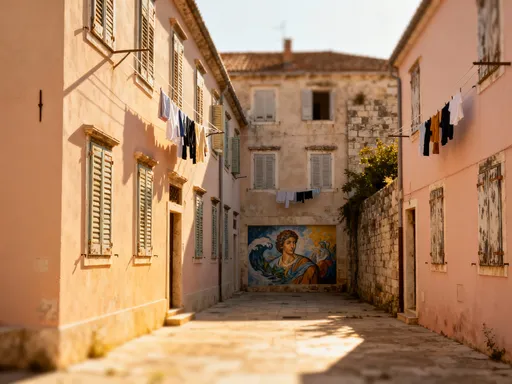
The charm of Pula’s urban fabric lies in its intimacy. Streets narrow to single lanes, lined with buildings painted in faded ochres, sea blues, and soft pinks, their shutters slightly ajar as if whispering secrets to the breeze. These are not museum exhibits; they are homes, workplaces, and gathering places where generations have grown up. When travelers step beyond the postcard views, they begin to witness the rhythm of daily life—the baker sweeping flour from his doorstep, the elderly woman watering geraniums on her balcony, the children chasing a ball down a sloping alley.
Shifting focus from major landmarks to city blocks transforms a visit from passive observation to active connection. It’s the difference between watching a play and stepping into the audience. This kind of travel rewards curiosity. It asks not for a checklist, but for presence. And in return, it offers authenticity—real moments, real people, real flavors. The Arena may draw you in, but it’s these quiet corners that will make you feel at home.
Walking the Hidden Grid: Discovering Pula’s Quiet Streets
To truly know Pula, one must walk without a map—at least not one downloaded from a tourist app. The most revealing paths are those not marked by signs or highlighted on digital overlays. Begin near the Stadion district, just south of the city center. Here, the roar of the sea replaces the hum of tour buses. Narrow streets climb gently uphill, flanked by low stone walls and bougainvillea spilling over iron railings. This is a neighborhood where families gather on doorsteps in the evenings, sharing stories over glasses of chilled Malvazija.
Further east, at the edge of Stoja, the city reveals a different texture. Industrial remnants blend with residential charm—old warehouses converted into artist studios, their walls tagged with colorful murals. Yet life here remains grounded. A small grocery tucked beneath an apartment building sells olives by weight, while a tailor sits in his doorway, mending a coat with practiced hands. The air carries the scent of warm bread from a nearby bakery that opens at dawn, its ovens fired long before most tourists stir.
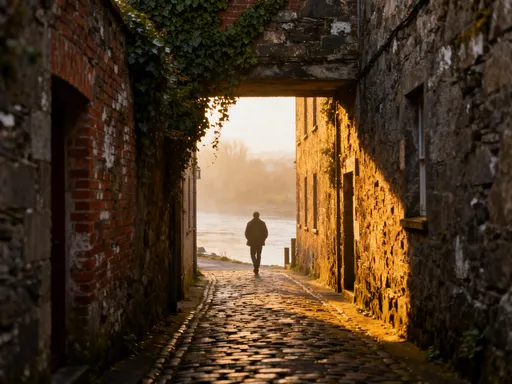
Behind Forum Square, where the ancient temples stand in dignified silence, lie lanes so narrow two people must turn sideways to pass. These alleys open unexpectedly into small courtyards—hidden oases where potted lemon trees thrive and ivy climbs weathered stone. In one such courtyard, a wooden table is often set for lunch under a grapevine arbor, though no one is ever seen eating there. It feels like a stage set for daily life, paused just for you to imagine.
Each of these districts offers a different pulse, a unique blend of history and modernity. What unites them is their quiet dignity. There are no ticket booths, no souvenir stalls, no guided tours. Just the steady beat of life continuing, undisturbed by the tourist tide. To walk here is to be a respectful guest, welcomed not by signs, but by the simple fact that no one stops you—because you belong, even if only for a moment.
The Rhythm of Local Life: When to Explore
Timing is everything when seeking authenticity. A street that feels empty and closed at noon may come alive with laughter and movement by early morning or late afternoon. To experience Pula as the locals do, one must align with their daily rhythm. The city wakes slowly, gently—like a cat stretching in the sun. The best time to explore is between 7:30 and 9:00 a.m., when the markets open and the scent of coffee and baked bread drifts through open windows.
At this hour, the small bakery on Ulica Petra Svačića pulls trays of pogača from the oven—round, golden flatbreads dusted with coarse salt. Locals arrive with cloth bags, exchanging quick greetings in Croatian as they select their loaves. It’s not a performance for visitors; it’s routine. Standing in line, you’re not a tourist but a participant. Buy a warm pogača, and you’re handed a paper bag with a smile. No need to speak. The bread speaks for itself.
Late afternoons bring another shift. As the sun slants low, painting the stone walls in amber light, elderly residents gather in tiny plazas to play bocce. The game is slow, deliberate, full of teasing and laughter. These are not tourist plazas but neighborhood pockets—sometimes no larger than a living room—where life unfolds at human speed. Sitting on a bench nearby, sipping a mineral water from a local shop, you become part of the scene not by speaking, but by being present.
Evenings are quieter. Families dine at home or at small konobas tucked into alleyways, where the menu is often written on a chalkboard or simply recited by the owner. There’s no need to rush. Dinner lasts hours. Children play nearby, and dogs nap under tables. If you arrive too late—after 9:00 p.m.—many places have already closed. But that’s not a loss. It’s a reminder that this is not a city built for late-night revelry, but for balance, for rest, for connection.
By matching your pace to the city’s, you gain more than sights—you gain understanding. You learn that life here is not rushed, not staged, not sold. It simply is. And in that simplicity, there is richness.
Street Art & Urban Secrets: Stories on the Walls
Wander through Pula’s backstreets, and you’ll notice something unexpected: the walls tell stories. Not in words, but in color, shape, and symbolism. Murals stretch across blank facades, stencils appear on garage doors, and whimsical figures peek from alley corners. This is an open-air gallery without tickets, without curators, without opening hours. It’s art born of expression, not commerce.
In the Stoja district, a large mural covers the side of an old warehouse—a fisherman holding a net, his face weathered like the cliffs along the coast. Behind him, a fleet of small boats fades into abstract waves. The style is raw, emotional, not polished for postcards. It speaks of heritage, of a connection to the sea that still defines Pula’s identity. Nearby, a playful stencil shows a cat wearing sunglasses, perched on a Vespa. It’s a wink, a moment of humor in the urban landscape.
Other pieces carry deeper tones. One wall near the train line displays a mosaic of faces—men, women, children—painted in muted tones, their eyes looking outward. It’s unclear who created it or what event inspired it, but the emotion is palpable: memory, loss, resilience. These works are not labeled, not explained. They invite interpretation, not instruction.
Urban art in Pula is not vandalism; it’s dialogue. It reflects the city’s layered history—Roman, Austro-Hungarian, Yugoslav, modern Croatian—and the voices of those who live here now. Some pieces comment on social issues, others celebrate local pride. A mural near a school shows children holding hands around a globe, painted in bright, hopeful colors. It’s a reminder that even in overlooked places, dreams take shape.
For the traveler, these artworks transform a simple walk into a narrative journey. Each piece becomes a pause, a moment of reflection. You don’t need to know the artist’s name to feel the message. You only need to look, to feel, to wonder. And in that act of noticing, you become part of the story too.
Where Locals Eat: Offbeat Eateries in Plain Sight
If you want to taste Pula as it truly is, skip the restaurants with laminated menus in five languages. Instead, follow the locals. Look for places with no sign, no website, no Instagram tag. These are the family-run konobas and open-window kitchens where meals are still made the way grandmothers taught—slow, fresh, and full of care.
One such spot sits behind a blue door on a narrow street near the fish market. No name, no menu board. But at noon, a line forms. Through the open window, you see a woman in an apron spooning crni rižot—black risotto made with cuttlefish ink—into white bowls. The scent is briny, rich, unforgettable. You point, she nods, and within minutes you’re handed a plate and a fork. Eat standing at the low wall outside, like everyone else. No seats, no tablecloth, just food that tastes like the sea and time.
Another favorite is a tiny counter inside a residential building’s ground floor. The owner, a man in his sixties, grills sardines over charcoal, their skins crisping as he flips them with tongs. He serves them with a slice of lemon and a hunk of bread. That’s it. No sides, no frills. But the fish are caught that morning, brought in by boats you can see from the harbor. This is food at its most honest—simple, direct, alive.
These places aren’t hidden on purpose. They don’t market themselves because they don’t need to. Locals know them. They’ve been here for decades. The owners aren’t chasing fame; they’re feeding their neighbors. To find them, pay attention. Watch where the elderly couples go. Follow the man carrying a glass of wine in a paper sleeve. Notice the small tables set up in courtyards during summer, where families gather for Sunday lunch.
When you do visit, be respectful. Smile. Try a word in Croatian—“Hvala” for thank you goes a long way. Don’t take flash photos. Don’t linger if it’s busy. And never treat it like a spectacle. These are not performances. They are real lives, real kitchens, real meals. By honoring that, you earn not just a meal, but a moment of belonging.
Navigating Like a Local: Transport & Footpath Wisdom
Pula is small enough to explore on foot, yet large enough that how you move matters. Buses connect the main points—the Arena, the Forum, the harbor—but the magic lies off the routes. To find it, you must walk. And not just any walk—a mindful one, guided by observation, not GPS.
Start by learning the city’s layout. Pula slopes gently from the hills down to the sea. The highest points offer views, but the mid-level streets hold the most life. Follow the flow of people in the morning—those carrying shopping bags, pushing strollers, walking dogs. They know where the fresh bread is, where the fish is best, where the sun hits the pavement just right.
Look for subtle signs. A line of laundry strung between buildings often means a residential heart, where families live and meals are cooked. A cluster of potted plants on a doorstep suggests pride, care, a place lived in. A small shop with a hand-painted sign reading “Voće i povrće” (fruit and vegetables) is likely where locals shop. Follow the fish sellers as they carry crates from the port—chances are, they’re heading to a market or kitchen you’ve never seen.
Street signs in Pula are helpful, but don’t rely on them alone. Some alleys have no names. Others change names unexpectedly. Instead, use landmarks: a blue door, a fig tree growing from a wall, a bench under a plane tree. These are the city’s true markers. And don’t fear getting “lost.” In Pula, getting lost is how you find things worth remembering.
For longer distances, the city’s bus system is reliable and affordable. But get off a stop early. Walk the last stretch. That’s where you’ll see the woman hanging laundry, the children playing in a fountain, the old man reading a newspaper in a shaded doorway. These are the moments that maps can’t show you.
And always, always wear comfortable shoes. The streets are cobbled, uneven, often steep. But that’s part of the charm. Each step connects you to the city’s bones—stone laid by Romans, worn smooth by centuries of feet. When you walk like a local, you don’t just see Pula. You feel it.
Why Hidden Blocks Matter: The Future of Travel
Mass tourism has changed cities around the world. Historic centers fill with souvenir shops, chain cafes, and crowds moving in synchronized waves. While tourism brings income, it also brings strain—on infrastructure, on housing, on the soul of a place. Pula, with its delicate balance of ancient beauty and coastal charm, is not immune. But there is another way to travel—one that gives back instead of taking.
When you choose to explore the hidden blocks, you support local economies directly. You buy bread from the neighborhood bakery, not the imported pastry from a tourist kiosk. You eat at a family konoba, not a restaurant designed for Instagram. Your money stays in the community, helping real people, real families, real traditions survive.
And your footprint grows lighter. Fewer crowds mean less pressure on public spaces. Quieter streets remain livable for residents. The city keeps its rhythm, its peace, its authenticity. You become not an intruder, but a guest—one who listens, who respects, who leaves no trace but gratitude.
But the greatest benefit is personal. Checklist travel—“I saw the Arena, I took the photo, I moved on”—leaves little behind. Mindful wandering, on the other hand, changes you. It slows you down. It teaches you to notice—the way light falls on a wall, the sound of a language you don’t understand, the warmth of a smile from a stranger. It reminds you that travel is not about collecting places, but about connecting to them.
The future of travel lies in depth, not distance. In staying longer in one place, in returning to the same street, in learning the name of the baker. It lies in choosing not the most famous, but the most real. Pula’s hidden corners are not just a secret—they are a invitation. An invitation to travel differently. To see not just with your eyes, but with your heart.
So the next time you visit a city, don’t rush to the landmark. Pause. Look around. Step off the path. Let the quiet streets guide you. Let the local life welcome you. Because the true soul of a place is never in the guidebook. It’s in the spaces between, waiting to be noticed. And when you find it, you won’t just remember the place. You’ll carry it with you, long after you’ve gone.