Color, Light, and Soul: Why Goa’s Architecture Steals the Show
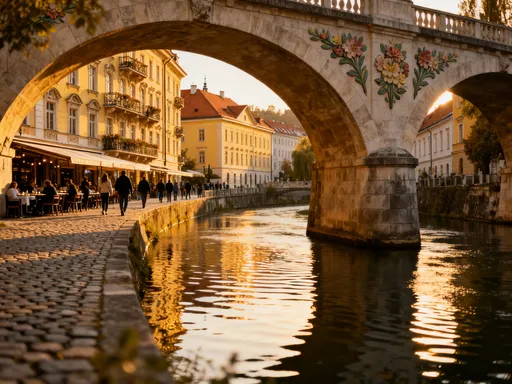
You know that feeling when a place just hits different? For me, it was Goa. Sun-drenched walls, vibrant shutters, and churches that look like they’re glowing—it’s pure magic. I didn’t go for the beaches; I went for the vibes, and the architecture delivered. Every corner feels like a frame waiting to be captured. This is more than travel—it’s visual poetry. The way light dances across painted facades, how colors sing against tropical greenery, and how centuries-old structures stand with quiet pride—Goa doesn’t just welcome you, it speaks to you. And if you’re holding a camera, it invites you into a conversation between past and present, color and shadow, stillness and life.
First Glimpse: Arriving in Goa and the Immediate Visual Impact
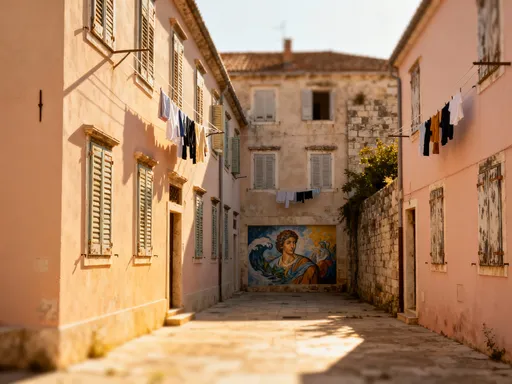
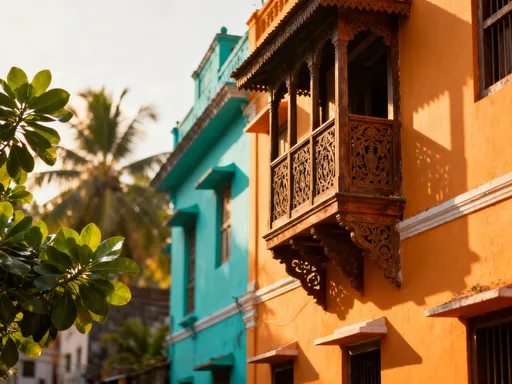
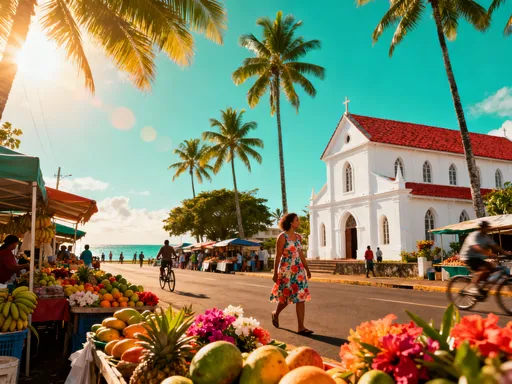
Stepping off the taxi or bus into the heart of Goa’s old quarters feels like walking onto a film set designed by nature and time. The air is warm and carries the faint scent of frangipani and salt, but it’s the visuals that strike first. Rows of houses painted in bold ochres, deep blues, and sunlit yellows line narrow lanes shaded by overhanging trees. Bougainvillea spills over wrought-iron balconies, and sunlight filters through palm fronds, casting dappled patterns on textured stucco walls. It’s not just beautiful—it’s immersive. The quality of light in Goa is unique, soft yet intense, enhancing every hue and casting long, dramatic shadows that shift throughout the day. This isn’t just tropical charm; it’s an environment shaped by centuries of cultural fusion and climatic adaptation.
For visitors, especially those with an eye for photography or design, the emotional response is immediate. There’s a sense of discovery around every bend—perhaps a hidden chapel with a terracotta roof, or a quiet courtyard framed by arched doorways. The contrast between vibrant facades and weathered woodwork tells stories without words. Many travelers report feeling an unexpected sense of calm, even joy, simply from strolling through neighborhoods like Fontainhas in Panaji. The architecture doesn’t overwhelm; it welcomes. And because so much of it exists at human scale—low-rise buildings, walkable streets, intimate courtyards—it feels personal, almost intimate. This accessibility makes it ideal not only for sightseeing but for deeper connection.
What makes this first impression so powerful is the harmony between built and natural environments. Buildings don’t compete with the landscape; they complement it. The use of local materials, from laterite stone to Mangalore tiles, ensures structures breathe with the climate. Shutters are wide to catch breezes, verandas provide shade, and courtyards allow light and air to circulate. These aren’t just aesthetic choices—they’re intelligent responses to heat, humidity, and monsoon rains. Yet, they also create visual rhythm: repeating arches, symmetrical windows, rhythmic rooflines. For photographers, this means endless opportunities for composition. Whether capturing the reflection of a yellow house in a rain puddle or the silhouette of a church spire against a twilight sky, the scene always feels balanced, alive.
The Portuguese Legacy: Understanding Goa’s Architectural DNA
To understand Goa’s architecture is to step into a story that began over 450 years ago, when Portuguese explorers arrived on India’s western coast and established a colonial presence that would last until 1961. This long chapter left an indelible mark on the region’s built environment, blending European design principles with Indian craftsmanship, materials, and climatic needs. The result is a distinctive Indo-Portuguese style—a hybrid that feels neither fully European nor entirely Indian, but something beautifully in between. It’s a testament to cultural exchange, adaptation, and resilience.
Key elements define this architectural identity. One of the most recognizable is the balcão—a covered porch or veranda, often fronted with ornate wooden railings and supported by stone columns. These spaces were social hubs, where families gathered, neighbors chatted, and life unfolded in the open air. They remain central to Goan homes today, serving both functional and symbolic roles. Another hallmark is the use of oyster shell windows, particularly in older homes. Set within wooden frames, these translucent shells diffuse light softly, creating a warm, glowing effect indoors while maintaining privacy. Though less common now due to availability, they are still prized in heritage restorations.
Mangalore tile roofs are another signature feature. Made from locally fired clay, these curved red tiles are perfectly suited to Goa’s heavy monsoon rains, allowing water to run off efficiently while insulating interiors from heat. Their rich terracotta hue contrasts beautifully with brightly painted walls, adding warmth and texture to streetscapes. Similarly, thick stucco walls—often coated in lime plaster—help regulate indoor temperatures and resist humidity. These walls, sometimes two feet thick, are frequently painted in vibrant shades, a practice rooted as much in tradition as in practicality.
Religious architecture offers some of the most striking examples of this fusion. The Basilica of Bom Jesus in Old Goa, a UNESCO World Heritage Site, exemplifies Baroque design adapted to local conditions. Its façade is relatively restrained, but the interior is richly decorated with gilded altars, intricate wood carvings, and imported tiles. Unlike colder European churches built for insulation, this basilica uses high ceilings and ventilation strategies to manage heat, proving that beauty and function can coexist. These structures are not relics—they are living monuments, maintained with care and reverence by communities who see them as part of their daily identity.
Color as a Language: Why Every Shade Tells a Story
In Goa, color is never arbitrary. Each shade on a building’s façade carries meaning—historical, cultural, and environmental. The turquoise of a seaside villa, the mustard yellow of a hillside home, the deep crimson of a church doorway—these are not just decorative choices. They are expressions of identity, responses to climate, and echoes of tradition. Long before synthetic paints, Goan builders used natural pigments derived from minerals, plants, and even marine sources. Lime wash was mixed with turmeric for yellow, indigo for blue, and laterite for red. These earth-based colors not only lasted but interacted beautifully with Goa’s intense sunlight, glowing during the day and softening at dusk.
Over time, certain color associations emerged. Yellow and ochre became linked with prosperity and happiness, often used in homes of affluent families. Blue, particularly in shades reminiscent of the sea and sky, symbolized protection and tranquility. Green, evoking lush vegetation, was believed to bring harmony and health. Even today, many homeowners choose hues based on these traditional beliefs, blending aesthetics with symbolism. In neighborhoods like Fontainhas, where heritage conservation efforts are strong, there are informal guidelines about maintaining original color palettes, ensuring visual continuity across generations.
From a design and photography perspective, this intentional use of color creates exceptional visual contrast. A bright pink house framed by dark green foliage becomes instantly memorable. The interplay of light and pigment enhances depth—shadows define edges, highlights emphasize textures. This makes Goan architecture particularly photogenic, especially during golden hour when the low sun bathes buildings in warm, diffused light. Photographers often note how colors appear more saturated in Goa than elsewhere, not because of editing, but because of the region’s unique atmospheric clarity and reflective surfaces.
But beyond aesthetics, color also reflects social history. During Portuguese rule, certain colors were associated with status—only specific families were permitted to paint their homes in particular shades. While these restrictions no longer exist, the legacy lingers in collective memory. Today, the freedom to choose bold colors is seen as an expression of individuality and cultural pride. Walking through a Goan village, one sees this diversity—each home a personal statement, yet part of a cohesive whole. It’s a visual democracy, where every resident contributes to the streetscape’s harmony.
Churches That Command the Lens: Sacred Spaces Built for Drama
If Goa’s homes whisper stories, its churches speak in grand declarations. The Se Cathedral in Old Goa, one of the largest churches in Asia, dominates the landscape with its imposing limestone façade and towering bell towers. Dedicated to St. Catherine, it was built in the 16th century to commemorate a Portuguese military victory, but its significance goes far beyond history. Architecturally, it is a masterpiece of Portuguese-Manueline and Tuscan styles, combining simplicity of line with monumental scale. Inside, the single massive nave can hold thousands, and the golden altar glows under soft ambient light. For photographers, the challenge—and joy—lies in capturing both its vastness and its details, from the intricate carvings on confessionals to the play of light through stained glass.
Equally compelling is the Church of St. Francis of Assisi, located nearby. Its Baroque interior is a feast for the senses: gilded woodwork, painted ceilings, and an altar encrusted with silver and ivory. What makes these churches so visually arresting is their intentional drama. They were designed to inspire awe, to elevate the spirit through beauty. Every element—from the height of the ceilings to the curvature of the domes—draws the eye upward, creating a sense of transcendence. This theatricality translates powerfully into photographs, especially when shot from low angles or during sunrise, when beams of light slice through the nave.
These sacred spaces are not just tourist attractions; they remain active centers of worship. Masses are held regularly, and feast days bring communities together in celebration. This living tradition adds emotional depth to any visit. A photograph of an empty pew bathed in morning light carries a different weight when you know it will soon be filled with singing voices. The UNESCO designation of the Churches and Convents of Old Goa underscores their global importance, but for locals, their value is deeply personal. They are anchors of memory, faith, and continuity.
For visual storytellers, these sites offer unmatched opportunities. Wide-angle lenses capture the grandeur of façades, while macro settings reveal the craftsmanship in wood inlays and metalwork. Reflections in marble floors, shadows on stone steps, and the contrast between ornate interiors and simple exteriors all contribute to a rich narrative. And because these structures are meticulously maintained, every surface tells a story of care and devotion. Whether you’re a professional photographer or an amateur with a smartphone, the churches of Goa invite you to slow down, observe, and appreciate the power of sacred space.
Hidden Courtyards and Heritage Homes: Off-the-Beaten-Path Gems
Beyond the well-trodden paths of Old Goa and Panaji’s Fontainhas lies a quieter, more intimate side of Goan architecture—private mansions, ancestral homes, and hidden courtyards that have survived centuries of change. These structures, often passed down through generations, offer a glimpse into domestic life as it was lived by Goan aristocracy and landowning families. Unlike public monuments, they are not always open for casual viewing, but guided heritage walks and cultural tours provide respectful access. In places like Chandor, Loutolim, and Quepem, visitors can step into homes where time seems to pause—where wooden beams bear the marks of age, stone fountains sit in central courtyards, and family portraits line the walls.
One of the most striking features of these homes is the central courtyard, or rajangan. Designed to promote airflow and natural light, it also serves as the heart of the household—where meals are prepared, stories are shared, and festivals are celebrated. Surrounded by arched corridors and open verandas, the courtyard creates a sense of inward focus, shielding private life from the outside world. The materials used—laterite stone, teak wood, terracotta tiles—are all locally sourced, ensuring harmony with the environment. Even the wear and tear speak volumes: peeling paint reveals layers of history, cracked tiles hint at monsoon storms, and weathered door hinges bear the imprint of countless hands.
For photographers, these spaces are treasure troves of texture and narrative. A close-up of a rusted keyhole, a shadow stretching across a tiled floor, or a garland hanging on a carved doorframe can convey more than a wide shot ever could. The absence of modern clutter—few electrical outlets, minimal furniture—allows the architecture itself to take center stage. And because these homes are still lived in, there’s a warmth that museums often lack. You might hear a grandmother calling to her grandchildren, or smell spices cooking in an open kitchen. These sensory details enrich the visual experience, making it more than just a photo opportunity—it becomes a moment of connection.
Preservation efforts are growing, with NGOs and local governments supporting restoration projects that respect authenticity. The goal is not to turn these homes into static displays, but to keep them functional and meaningful. Some families have converted parts of their estates into boutique homestays, allowing guests to experience heritage living firsthand. These stays offer more than comfort—they provide context, stories, and a deeper understanding of Goan culture. In a world where traditional architecture is often sacrificed for modern development, these homes stand as quiet acts of resistance, preserving beauty, memory, and identity.
Modern Meets Traditional: How New Design Keeps the Spirit Alive
While heritage structures capture the past, contemporary architecture in Goa demonstrates how tradition can evolve without losing its soul. Across villages like Assagao, Siolim, and Arpora, a new generation of designers is reinterpreting Goan style for modern life. Cafés, art studios, and boutique stays are being built—or rebuilt—using classic elements: sloped roofs with Mangalore tiles, open verandas, lime-plastered walls, and courtyards. But they’re adapted for today’s needs—better insulation, energy-efficient lighting, and indoor-outdoor living spaces that suit both residents and visitors.
One notable example is the rise of art cafés that double as cultural hubs. These spaces often occupy restored homes or newly constructed buildings that mimic traditional forms. Large shuttered windows invite in light and breeze, while interiors feature exposed beams, handmade furniture, and local artwork. The atmosphere is relaxed yet intentional—every detail, from the choice of paint to the layout of seating, reflects a respect for Goan aesthetics. These venues have become popular with creatives, digital nomads, and families seeking authentic experiences. They’re not just places to eat; they’re spaces to linger, observe, and be inspired.
Similarly, boutique accommodations are redefining luxury in Goa. Rather than imposing high-rise resorts, many new properties take the form of cluster villas or heritage homestays that blend into the landscape. They use natural ventilation, rainwater harvesting, and solar power to minimize environmental impact. At the same time, they honor visual traditions—maintaining color palettes, rooflines, and spatial layouts that feel distinctly Goan. For travelers, staying in such a place means more than comfort; it means immersion. You wake up to the sound of birds, sip coffee on a balcão overlooking a garden, and feel the rhythm of slow living.
This architectural renaissance is not just aesthetic—it’s cultural. By choosing local materials and craftsmen, these projects support traditional skills that might otherwise fade. Masons who know how to lay laterite stone, carpenters who can carve teak wood, and artisans who mix natural pigments—all find renewed purpose in modern projects. This continuity ensures that Goan architecture remains a living tradition, not a museum exhibit. And for photographers, these spaces offer fresh yet familiar backdrops—where the old and new coexist in quiet harmony.
Shooting Tips: Making the Most of Light, Angles, and Details
Capturing Goa’s architecture at its best requires more than a good camera—it demands patience, observation, and respect. The golden hours—shortly after sunrise and before sunset—are ideal for photography. During these times, the sun sits low, casting long shadows and bathing buildings in warm, diffused light. Colors appear richer, textures more defined, and contrasts more dramatic. Midday light, while bright, can be harsh and create blown-out highlights, so many photographers use this time to explore interiors or shaded lanes.
When it comes to gear, a versatile lens setup works best. A wide-angle lens (around 16–35mm) is perfect for capturing entire façades, especially in narrow streets where space is limited. A 50mm prime lens offers excellent clarity for street-level shots, while a macro lens allows for intimate details—peeling paint, carved wood, or the texture of a stone step. Tripods are useful for low-light conditions, particularly inside churches, but always check for restrictions in religious or private spaces.
Composition plays a crucial role. Look for symmetry—many Goan buildings feature balanced window arrangements and centered doorways. Reflections in puddles, windows, or polished floors can add depth and creativity to a shot. Don’t overlook the small details: a rusted hinge, a flower in a crack, a cat lounging on a windowsill—these elements bring life and storytelling to architectural photography. And always be mindful of people. If someone is in your frame, ask politely before photographing, especially in residential areas.
Most importantly, approach each shot with intention. Goa’s architecture is not just a backdrop—it’s a record of history, culture, and resilience. When you press the shutter, you’re not just taking a picture; you’re honoring a legacy. Walk slowly, observe deeply, and let the place reveal itself. The best photographs often come not from rushing, but from waiting—letting light shift, letting a door open, letting a moment unfold naturally.
Conclusion
Goa’s architecture isn’t just background—it’s the soul of the place. From centuries-old chapels to sun-bleached homes with peeling blue doors, every structure carries memory and meaning. Capturing them isn’t just about getting the perfect shot; it’s about seeing deeper, moving slower, and falling in love with a culture through its walls. In a world of generic skylines, Goa remains gloriously, unapologetically itself. Its buildings are not static relics but living expressions of identity, shaped by history, climate, and community. Whether you’re drawn to the grandeur of its churches, the intimacy of its courtyards, or the vibrancy of its streets, one truth remains: in Goa, architecture doesn’t just surround you—it speaks to you. And if you listen closely, you might just hear the quiet pulse of a place that knows exactly who it is.