Urban Pulse: How Arusha’s City Spaces Stole My Heart
You know what? Arusha isn’t just a gateway to safaris and Kilimanjaro—it’s a living, breathing urban tapestry. From bustling markets to quiet coffee corners, its city spaces surprised me with warmth, rhythm, and unexpected charm. This is more than a travel stop; it’s a story of culture, connection, and urban soul. Let me take you through the heart of Arusha, where every street tells a tale. What makes a city feel alive? Not just its skyline or size, but the way people move through it, gather in it, and shape it daily. In Arusha, that pulse is unmistakable—a steady beat of commerce, community, and quiet resilience that lingers long after you’ve left its streets behind.
First Impressions: Stepping into Arusha’s Urban Rhythm
Arriving in Arusha for the first time, the city greets you not with silence, but with symphony. The hum of daladalas idling at roundabouts, the call of fruit vendors balancing pyramids of mangoes on their heads, the scent of grilled maize curling through warm morning air—this is urban life in full motion. Unlike the hushed reverence of safari camps or the quiet anticipation at airport gates, Arusha announces itself boldly. Traffic flows in organized chaos, a dance of minibuses, motorbikes, and pedestrians navigating shared space without formal choreography, yet somehow in sync.
As Tanzania’s northern hub, Arusha serves millions as a transit point to Serengeti, Ngorongoro, and Mount Kilimanjaro. Yet too many travelers rush through, suitcase in hand, barely pausing to notice the city’s own offerings. They see it as a necessary stopover, a place to rest before the ‘real’ adventure begins. But this mindset overlooks something profound: Arusha is not just a doorway—it is a destination in its own right, rich with cultural texture and urban energy. It is where East African modernity meets tradition, where global influences blend seamlessly with local rhythms.
The contrast between expectation and reality hits quickly. Visitors often anticipate a sleepy town built solely to serve tourists, but instead find a dynamic city of over half a million people, with growing infrastructure, diverse neighborhoods, and a civic pride evident in small details—from freshly painted street signs to community-led clean-up initiatives. Arusha’s charm lies in its authenticity. There is no performative tourism here, no staged experiences designed for foreign eyes. What you see is what locals live every day: vibrant, imperfect, and deeply human.
The Heartbeat of the City: Central Markets and Public Squares
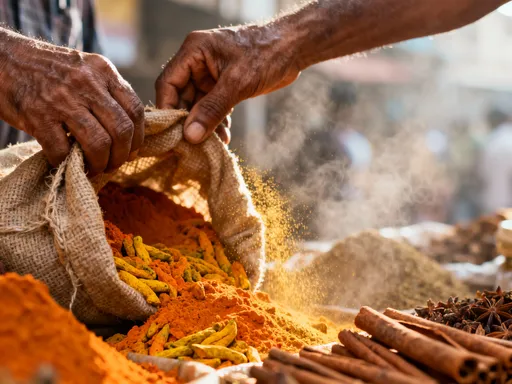
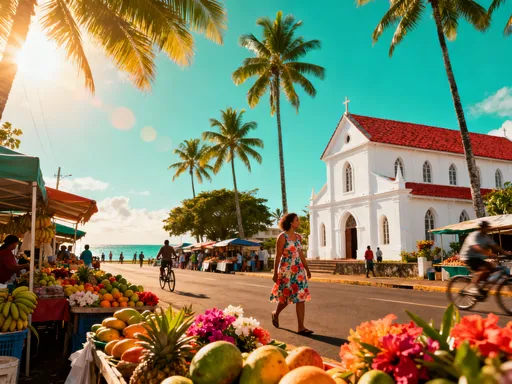
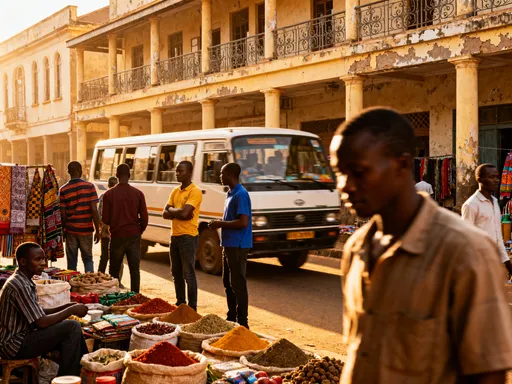
If Arusha has a heartbeat, it pulses strongest in its central market. Stepping into the covered market near the Clock Tower is an immersion in sensation. The air thickens with the perfume of cloves, cinnamon, and cumin—spices grown in the nearby Usambara and Pare mountains. Vendors display heaps of dried chilies, handwoven baskets, bright kanga fabrics, and mountains of fresh produce: purple eggplants, golden pineapples, and red amaranth leaves. Everywhere, voices rise in Swahili banter, laughter, and negotiation. This is not a tourist bazaar but a working marketplace, essential to daily life.
Here, commerce is more than transaction; it is ritual. Shopkeepers greet regular customers by name. Grandmothers inspect tomatoes with practiced hands, testing firmness and color. Children dart between stalls, carrying messages or small purchases in recycled plastic bags. The market operates as both economic engine and social network, a place where news spreads as fast as the price of onions. For visitors, it offers an unfiltered look at urban Tanzanian life—one that feels intimate despite the crowds.
Equally important are the city’s public squares, such as the Clock Tower roundabout and Uhuru Monument area. These open spaces serve as anchors, gathering points for celebrations, political rallies, and casual meetups. The Clock Tower, originally built during the German colonial period and later restored, stands as a silent witness to Arusha’s layered history. Locals use the surrounding plaza as a natural meeting spot—friends reunite here, families linger after church, and taxi drivers wait between trips.
What makes these spaces so vital is their accessibility. Unlike gated plazas or ticketed attractions, they belong to everyone. They are democratic by design, open 24 hours, free to enter, and shaped by the people who use them. In an era when many African cities are privatizing public space, Arusha’s commitment to shared urban areas reflects a deeper cultural value: community over exclusivity. These squares are not just physical locations but symbols of collective belonging.
Green Oases: Parks and Open Spaces in the Urban Fabric
Amid the urban buzz, Arusha holds onto its green lungs. Nyumba ya Mungu Recreation Park, located just outside the city center, offers a refreshing escape with shaded walking paths, picnic areas, and views of a small reservoir. On weekends, families spread out on grassy lawns, children chase each other between trees, and couples stroll along the water’s edge. The park’s name, which means “House of God” in Swahili, hints at the reverence locals have for nature—even within city limits.
But green space in Arusha is not limited to formal parks. Neighborhoods across the city feature smaller, informal oases: tree-lined avenues, pocket gardens, and school compounds that double as public recreation areas. In areas like Themi and Kaloleni, residents gather under jacaranda and flamboyant trees during afternoon breaks, reading books, playing cards, or simply resting in the shade. These micro-spaces may lack official designation, but they play a crucial role in urban well-being, offering respite from heat, noise, and congestion.
What’s remarkable is how Arusha integrates nature into its growth. Despite rapid urbanization, the city has preserved significant tree cover and open areas. This was not accidental. Urban planners in the 1970s emphasized green belts and environmental conservation, a legacy that continues today through municipal tree-planting programs and community gardening initiatives. Schools often maintain small farms or butterfly gardens, teaching children about sustainability from an early age.
These green spaces also serve as informal classrooms and social hubs. University students meet under trees to study. Local entrepreneurs host pop-up juice stands near jogging trails. Elderly residents practice light exercise in the mornings, following routines passed down through generations. In a world where cities often sacrifice nature for concrete, Arusha demonstrates that urban development and environmental stewardship can coexist—when guided by cultural values and long-term vision.
Café Culture and Urban Social Hubs
In recent years, a new kind of public space has emerged in Arusha: the modern café. Gone are the days when coffee was only served in roadside kiosks or hotel lobbies. Today, a quiet revolution is brewing in neighborhoods like Park, New Arusha, and Haile Selassie Avenue. Local entrepreneurs—many of them young, university-educated, and globally aware—are opening third-wave coffee shops that blend international standards with Tanzanian flavor.
Places like Arusha Coffee Lodge Café, The Nest, and smaller independent spots offer more than just lattes. They provide environments where people can linger, connect, and create. Inside these cafés, you’ll find a mix of locals, expatriates, aid workers, and travelers—all sharing tables, exchanging ideas, and sometimes collaborating on projects. Laptops hum beside notebooks; conversations drift between Swahili, English, and German. The music is soft—jazz or acoustic folk—never overpowering. These spaces feel calm yet energized, like urban sanctuaries for the mind.
What makes this café culture significant is its role in shaping Arusha’s evolving identity. These venues are not just places to drink coffee; they are incubators for creativity, dialogue, and civic engagement. Book clubs meet in corners. Artists display paintings on rotating walls. Some cafés host poetry readings or startup pitch nights. In doing so, they fill a gap left by traditional institutions, offering neutral ground where new ideas can take root.
Moreover, these spaces reflect a shift in urban values—toward slowness, intentionality, and connection. In a city where life often moves at a fast pace, the café invites pause. It says: sit down, breathe, talk. This subtle act of slowing down is revolutionary in its own way, countering the constant rush of modern life. For women especially—many of whom balance family, work, and community roles—these spaces offer rare moments of personal time, intellectual stimulation, and social support.
Architecture and Streetscapes: Layers of History and Modernity
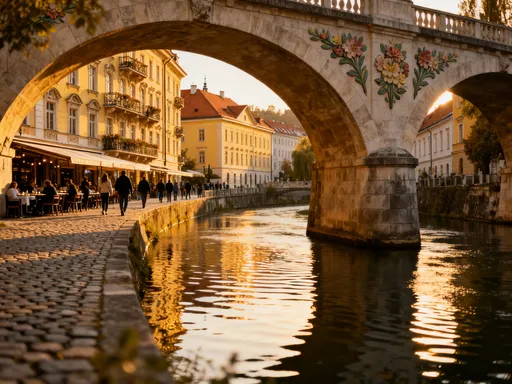
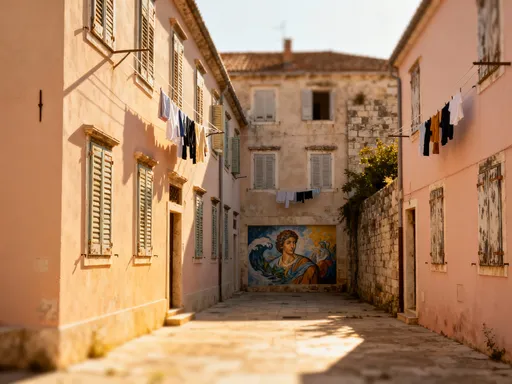
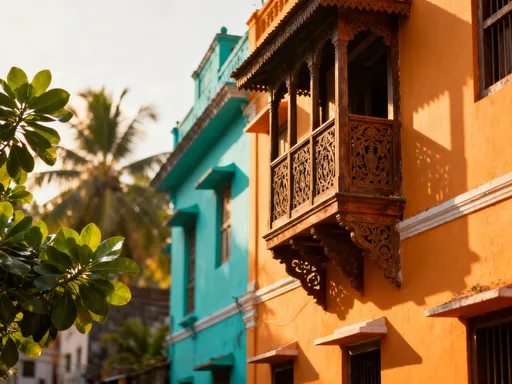
Walking through Arusha’s neighborhoods is like reading a living history book. Each street tells a different chapter. In the older districts, you’ll find low-rise buildings with corrugated metal roofs and wooden shutters—remnants of early 20th-century German colonial architecture. Nearby, Indian-influenced storefronts display ornate facades, colorful awnings, and family-run businesses that have operated for generations. Then, turning a corner, you encounter sleek glass-fronted offices, modern apartment complexes, and shopping centers with security gates and digital signage.
This architectural mosaic reflects Arusha’s complex past and dynamic present. The city has long been a crossroads—of cultures, trade routes, and political movements. Its buildings bear witness to waves of influence: German administration, British rule, South Asian migration, and post-independence nation-building. Yet despite these layers, Arusha has retained a distinctly East African character. Even new constructions often incorporate local materials like volcanic stone or use designs that respond to the region’s mild highland climate.
But rapid development brings challenges. As demand for housing and commercial space grows, older structures face pressure to be demolished. Some historic buildings have already been lost to redevelopment, replaced by generic high-rises with little regard for context. This raises urgent questions about urban preservation. How do you honor the past while building for the future? Can Arusha modernize without erasing its soul?
Encouragingly, there are signs of awareness. Community groups have begun advocating for heritage protection. The Arusha Municipal Council has introduced guidelines for façade design in certain zones, encouraging continuity in streetscape aesthetics. Some developers are choosing adaptive reuse—renovating old buildings rather than tearing them down. These efforts, though still modest, suggest a growing appreciation for architectural identity as part of urban well-being.
Getting Around: Mobility and the Flow of City Life
No exploration of Arusha is complete without understanding how people move through it. The city’s mobility ecosystem is informal yet highly functional. The backbone of public transport is the daladala—a minibus that follows flexible routes, stopping wherever passengers signal. Affordable and ubiquitous, daladalas carry thousands daily, weaving through traffic with surprising efficiency. For shorter distances, boda-bodas (motorcycle taxis) offer door-to-door service, zipping through gaps in traffic with practiced agility.
Yet walking remains a primary mode of transport, especially in the city center. Sidewalks, however, are inconsistent. In some areas, they are wide and well-maintained; in others, they vanish entirely, forcing pedestrians onto the road. Drainage ditches sometimes double as footpaths. Street lighting is limited, making evening walks less safe, particularly for women and elderly residents. These infrastructure gaps highlight the tension between rapid population growth and urban planning capacity.
Despite these challenges, Arusha’s streets feel alive with movement. Schoolchildren in crisp uniforms march in groups, holding hands for safety. Women carry babies on their backs while balancing shopping bags on their heads. Businessmen stride confidently in pressed shirts, briefcases in hand. The rhythm of foot traffic shapes the city’s character—personal, relational, and grounded in daily routines.
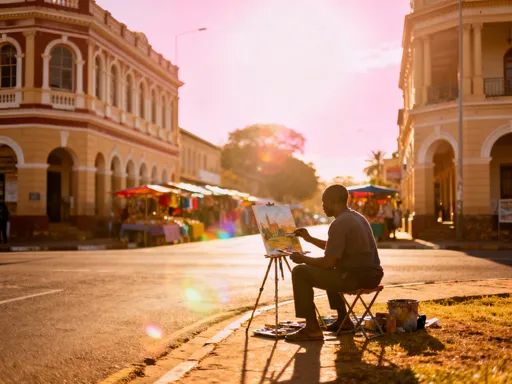
Mobility also influences how people experience public space. Those who walk notice more: the scent of fresh bread from a bakery, the sound of a street musician’s guitar, the sight of murals painted on building walls. In contrast, those who drive or ride in private cars often miss these details, sealed in metal and glass. This difference underscores a broader truth: the most meaningful urban experiences come from proximity, not speed. To truly know Arusha, you must move through it slowly, on foot, eyes open, heart receptive.
Why Arusha’s Urban Spaces Matter—And How to Experience Them Fully
At its core, Arusha’s value lies not in monuments or landmarks, but in its everyday spaces—the market where a grandmother buys vegetables, the park where children fly kites, the café where a young woman sketches her dreams. These places matter because they reflect how people live, connect, and find joy in the ordinary. They are not curated for outsiders but sustained by locals, generation after generation.
For travelers, the invitation is clear: look beyond the safari itinerary. Arrive a day early. Stay a day late. Step off the tourist trail and into the city’s rhythm. Visit the Central Market in the morning, when the energy is highest. Sit in a neighborhood park and observe daily life unfold. Order coffee at a local café and strike up a conversation. Walk—yes, walk—through residential streets, greeting people with a simple ‘Habari.’ These small acts build bridges of understanding and create memories far deeper than any photo from a game drive.
Respect is key. Ask before taking photos. Dress modestly in public areas. Learn a few phrases in Swahili—‘asante’ (thank you), ‘habari gani?’ (how are you?), ‘nzuri sana’ (very well). These gestures go a long way in building trust and showing appreciation. And when shopping, buy directly from vendors, not middlemen. Your purchase supports real families, not just tourism economies.
Ultimately, Arusha teaches a quiet lesson about urban life: that beauty exists in the mundane, connection thrives in shared spaces, and culture is not performed but lived. In an age of digital isolation and fast-paced travel, the city offers a refreshing counterpoint—a reminder that community, warmth, and authenticity are still possible, even in growing African cities.
Arusha does not shout. It does not need to. Its voice is in the laughter at a roadside tea stall, the call to prayer echoing over rooftops, the rustle of leaves in a neighborhood garden. To listen is to understand. To walk its streets is to fall in love—not with perfection, but with possibility. Let this be your next journey: not to escape the city, but to discover its soul. Because sometimes, the most profound adventures begin not in the wild, but in the heart of where people live.