What I Found in Colombo’s Hidden Markets Will Blow Your Mind
You know that thrill of stumbling upon something no guidebook mentions? In Colombo, it’s not just about temples or tea—though those are amazing. It’s the unexpected treasures tucked in bustling lanes: hand-carved masks, vibrant batik fabrics, and spices that explode with flavor. I went looking for souvenirs but found pieces of Sri Lankan soul. This is real, raw, and utterly unforgettable shopping—where every item tells a story. The city pulses with energy, a blend of colonial charm and tropical intensity, where market stalls overflow with color, scent, and sound. For travelers seeking authenticity, Colombo’s hidden markets offer more than bargains—they offer connection, culture, and a deeper understanding of a nation shaped by trade, tradition, and resilience. This is not shopping as transaction; it’s shopping as discovery.
The Pulse of Colombo: More Than a Transit Hub
Too often, Colombo is dismissed as a mere transit point—a place to pass through before heading to beaches or hill country. But those who linger discover a city that breathes with history and vitality. Once a key port in ancient trade routes, Colombo today remains a crossroads of cultures, where Buddhist temples stand near colonial-era buildings and modern cafés. Its streets hum with the rhythm of daily life: schoolchildren in crisp uniforms, monks in saffron robes, and families shopping for dinner at open-air markets. This is a city that never stops moving, yet moves with purpose. And nowhere is this pulse felt more strongly than in its markets.
Unlike sterile shopping malls or curated tourist bazaars, Colombo’s markets are where locals live, work, and connect. They are not staged for visitors but exist for the community. Here, generations gather to buy fresh produce, select fabric for new clothes, or pick up household goods. The energy is electric—vendors call out prices, motorbikes weave through narrow lanes, and the scent of curry leaves and coconut oil lingers in the air. To walk through these markets is to step into the heart of Sri Lankan life. It’s messy, yes, but beautifully so—a testament to the resilience and resourcefulness of a people deeply rooted in tradition.
What makes Colombo’s markets so special is their authenticity. There are no plastic replicas or mass-produced trinkets here—at least not in the places that matter. Instead, you’ll find goods made by hand, grown locally, or traded through family-run businesses. These markets reflect Sri Lanka’s agricultural richness, artisanal heritage, and centuries-old trading culture. For the mindful traveler, especially women who appreciate craftsmanship and storytelling, these spaces offer something far more valuable than souvenirs: a chance to witness and participate in everyday life. And with a little guidance, navigating this vibrant chaos becomes not just manageable but deeply rewarding.
Pettah Market: Chaos with a Purpose
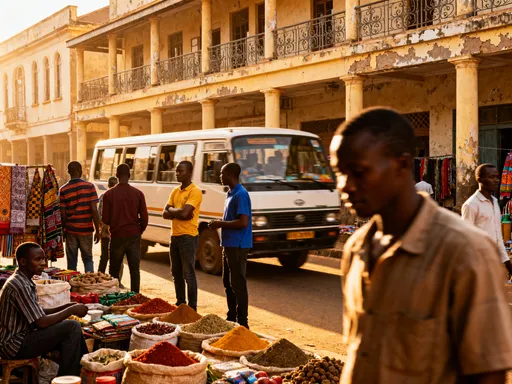
If Colombo has a beating heart, it is Pettah Market. A sprawling maze of alleyways and open-air stalls, Pettah can overwhelm at first glance. Streets narrow into passageways barely wide enough for two people to pass, lined on both sides with overflowing baskets, stacked crates, and hanging garlands of jasmine. The noise is constant—vendors shouting in Sinhala and Tamil, the honking of tuk-tuks, the clatter of wooden carts on cobblestones. Yet within this apparent disorder lies a precise order, a system known intimately by those who work and shop here.
Pettah is divided into specialized zones, each dedicated to a particular category of goods. There’s a spice section where pyramids of turmeric, chili, and cumin glow under the tropical sun. A textile lane bursts with saris in every hue imaginable—emerald greens, deep maroons, and gold-threaded silks. Elsewhere, you’ll find hardware, electronics, perfumes, and even live poultry. This organization allows shoppers to move efficiently, and for visitors, it turns exploration into a treasure hunt. One moment you’re surrounded by the warm aroma of cinnamon, the next by the sharp tang of dried fish or the sweetness of ripe mangoes.
What makes Pettah truly magical is its role as a community hub. It’s not just a marketplace but a social space where relationships are built over shared transactions. Shopkeepers remember regular customers, offer advice on cooking methods, or invite you to taste a sample of homemade papadum. Children run between stalls, delivering tea to their parents’ vendors. Elders sit on wooden crates, chatting while waiting for their turn at the spice counter. This sense of belonging is palpable, and when visitors approach with respect and curiosity, they are often welcomed into the rhythm of the day.
For the uninitiated, navigating Pettah can be daunting. But with a few simple strategies, the experience becomes exhilarating rather than exhausting. Start early in the morning, when the heat is bearable and the markets are at their most active. Wear comfortable shoes and carry a small bag—backpacks can snag on goods or draw unwanted attention. Keep your valuables secure, but don’t appear nervous; a calm, open demeanor goes a long way. Most importantly, embrace the sensory overload. Let the colors, smells, and sounds wash over you. This isn’t a place to rush through—it’s a place to slow down, observe, and absorb.
Spices That Tell a Story
Sri Lanka’s identity has long been tied to its spices. For centuries, traders from Arabia, China, and Europe sailed across oceans seeking cinnamon, cloves, and pepper—many of which originated in this small island nation. Colombo, as a historic port city, was at the center of this global exchange. Today, the city’s markets keep that legacy alive, not as a museum exhibit but as a living, breathing tradition. In Pettah and smaller neighborhood markets, spices are not packaged in sterile plastic but displayed in open sacks, their colors and aromas vibrant and unfiltered.
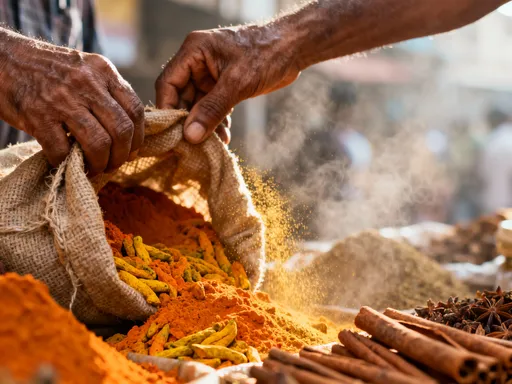
Walking through the spice lanes is an education in scent and history. Towering stacks of cinnamon quills, pale and curling like scrolls, release a warm, sweet fragrance when touched. Cloves sit in dark mounds, their sharp, pungent smell lingering in the air. Turmeric spills from burlap bags in golden heaps, staining fingers yellow with just a brush. Cardamom pods, green and delicate, are sold by the handful, their citrusy aroma awakening the senses. Shop owners encourage visitors to touch, crush, and inhale—this is not a hands-off experience. They’ll rub a kaffir lime leaf between your fingers or toast cumin seeds over a small flame to release their full depth.
These spices are not merely ingredients—they are heirlooms. Many come from small family farms in Sri Lanka’s interior, where generations have cultivated the same plots using traditional methods. Sun-dried and minimally processed, they retain a potency often missing in supermarket versions. A single spoonful of locally sourced chili powder delivers heat and flavor that commercial blends can’t match. And by purchasing directly from market vendors, travelers support these small-scale producers, helping sustain rural livelihoods and preserve agricultural heritage.
For home cooks, especially women who enjoy preparing meals for their families, these spices offer a way to bring authentic Sri Lankan flavors into the kitchen. A pinch of real Ceylon cinnamon can transform a dessert or savory dish. Freshly ground cloves add depth to curries and rice dishes. Even a simple cup of tea infused with cardamom and ginger becomes a moment of warmth and connection. The best part? A little goes a long way. A small cloth bag of spices, carefully packed, can last months and serve as a daily reminder of Colombo’s rich culinary soul.
Batik and Handloom: Art You Can Wear
Among the most striking finds in Colombo’s markets are its textiles, particularly batik and handloom fabrics. Batik, a wax-resist dyeing technique, produces bold, intricate patterns in vivid colors. Each piece begins as plain cotton or silk, which artisans cover in hot wax using metal stamps or freehand tools. The fabric is then dyed, and the wax cracked to create unique crackle effects. After dyeing, the wax is removed, revealing the final design. This labor-intensive process results in one-of-a-kind textiles that are as much art as they are clothing.
Common motifs carry deep cultural meaning. Elephants symbolize strength and good fortune, often featured in celebrations. Peacocks represent beauty and grace, their feathered tails rendered in shimmering blues and greens. Lotus flowers, sacred in Buddhism, appear in spiritual designs, while geometric patterns reflect ancient craftsmanship. These are not random decorations but visual stories passed down through generations. When you wear a batik scarf or dress, you carry a piece of Sri Lanka’s artistic and spiritual heritage.
Alongside batik, handwoven cotton fabrics—especially sarongs and scarves—are widely available. Made on traditional looms, these textiles are lightweight, breathable, and perfect for tropical climates. Many are dyed with natural pigments from plants like indigo, madder root, or turmeric, resulting in earthy tones that soften beautifully with each wash. Unlike mass-produced imitations, these handcrafted pieces have subtle imperfections—slight variations in weave or color—that speak to their authenticity.
For travelers, these textiles make meaningful souvenirs. They are practical, beautiful, and easy to pack. A batik shawl can be worn as a beach cover-up, draped over shoulders in an air-conditioned room, or gifted to a friend who appreciates handmade art. Supporting these artisans means preserving a craft that might otherwise fade in the face of industrialization. Every purchase helps keep looms turning and wax pots melting, ensuring that future generations can continue to create and wear these cultural treasures.
Ceylon Tea: Beyond the Tourist Tins
No visit to Sri Lanka would be complete without tea, and Colombo offers the best place to explore its true diversity. While airport shops sell generic “Ceylon Tea” in decorative tins, the city’s specialty tea boutiques reveal the real story. Here, tea is not a commodity but a craft, grown in distinct regions that produce vastly different flavors. From the misty highlands of Nuwara Eliya to the warmer lowlands near Colombo, each estate imparts its own character to the leaf.
In dedicated tea shops, you’ll find loose-leaf varieties sorted by elevation, season, and processing method. High-grown teas, cultivated above 4,000 feet, tend to be bright, floral, and brisk—perfect for a morning cup. Mid-grown teas offer a balanced profile, with notes of honey and citrus. Low-grown teas are fuller-bodied, malty, and robust, ideal for afternoon brewing. Some shops even offer green and white teas, lesser-known but increasingly appreciated for their delicate flavors and health benefits.
What sets these shops apart is the opportunity to taste before buying. Knowledgeable staff will brew small samples, guiding you through the differences in aroma, color, and finish. You might discover a silver-tip white tea with a delicate sweetness or a smoked black tea with a smoky depth reminiscent of Lapsang Souchong. These tastings are not sales tactics but genuine invitations to learn and appreciate.
Buying tea directly from these sources supports ethical, sustainable farming practices. Many estates prioritize fair wages, organic methods, and environmental conservation. By choosing loose-leaf over pre-packaged blends, you avoid unnecessary waste and enjoy a fresher, more flavorful brew. And because high-quality tea lasts for months when stored properly, a small tin can provide countless moments of calm—a quiet ritual that brings a taste of Colombo into your daily life.
Hidden Craft Shops and Cultural Gems
Just beyond the bustle of Pettah lie quieter corners where traditional crafts are preserved with pride. Tucked into side streets or small courtyard shops, these hidden boutiques specialize in handmade cultural artifacts. One of the most captivating is the wooden masks of Ambalangoda, a coastal town known for its role in traditional dance and ritual. These masks, carved from lightweight wood and painted in bold colors, were historically used in exorcism ceremonies and folk performances to represent deities, demons, and animals.
Today, artisans continue this craft, selling masks not just as decorations but as cultural symbols. Each design follows strict traditional guidelines—shape, color, and expression all carry meaning. A wide-eyed demon mask might be used in healing rituals, while a serene Buddha face represents protection and peace. Some shops allow visitors to watch the carving process, where skilled hands shape wood with chisels and sandpaper, then apply layers of paint and varnish. Buying a mask isn’t just about owning art—it’s about honoring a spiritual tradition.
Other crafts include lacquerware, where wooden bowls and boxes are coated in layers of colored resin and polished to a high shine. Brass oil lamps, shaped like lotus flowers or elephants, are still used in homes and temples for daily worship. Hand-thrown pottery, made on foot-powered wheels, reflects centuries-old techniques passed from master to apprentice. These items are not produced for mass export but made with care, often by family workshops that have practiced the same craft for decades.
Shopping in these small studios often includes conversation. Artisans are proud of their work and happy to share stories—how a particular mask was used in a village festival, or how a lacquer technique was learned from a grandfather. These interactions transform a simple purchase into a meaningful exchange. You leave not just with an object, but with a memory, a name, and a deeper appreciation for the hands that made it. For women who value storytelling and connection, these moments are the true treasures of travel.
Smart Shopping: How to Explore Responsibly
Shopping in Colombo’s markets is as much about etiquette as it is about selection. Bargaining is expected, especially in Pettah, but it should be done with kindness, not aggression. Begin by smiling and asking the price, then offer about half, waiting for the vendor’s counter. The goal is not to win but to reach a fair agreement that respects both parties. Most vendors understand that tourists may not know local prices, and they appreciate a friendly, patient approach. A shared laugh over a negotiation can turn into a warm interaction, sometimes even an invitation for tea.
Cash is essential. While some larger boutiques accept cards, most market vendors operate on a cash-only basis. Carry small bills to make transactions easier and avoid drawing attention. Keep your money secure, but don’t clutch your bag tightly—this can signal fear. Instead, wear a crossbody bag with a zipper and stay aware of your surroundings without appearing anxious. The markets are generally safe, especially during daylight hours, but vigilance is always wise.
Be mindful of what you choose to buy. Avoid items made from endangered materials, such as turtle shell, ivory, or coral. While some shops may offer these, their sale often violates international conservation laws and harms fragile ecosystems. Similarly, be cautious with antiques—many cultural artifacts are protected by national heritage laws and may not be legally exported. When in doubt, ask questions or consult with local tourism offices.
Most importantly, shop with respect. Make eye contact, greet vendors with a polite “Ayubowan” (a traditional Sri Lankan greeting), and take time to learn about the items you’re buying. When locals see genuine interest, they often open up, sharing personal stories or recommending lesser-known stalls. These connections elevate shopping from a transaction to a shared human experience. And in doing so, you don’t just take home souvenirs—you bring back stories, friendships, and a deeper sense of the world.
Conclusion
Colombo’s true charm isn’t in polished malls or souvenir chains—it’s in the raw, rhythmic heartbeat of its markets. Every spice jar, fabric roll, and hand-carved mask carries a story of tradition, resilience, and artistry. These are not items made for display but crafted for life, shaped by generations of skill and devotion. By shopping thoughtfully, you don’t just collect objects—you bring home pieces of Sri Lanka’s soul.
The markets of Colombo invite you to slow down, to engage, to listen. They challenge the idea that travel is about checking off landmarks and instead remind us that the most profound experiences often come from unexpected moments—a shared laugh with a vendor, the scent of fresh cinnamon, the weight of a handwoven scarf in your hands. For women who seek meaning, beauty, and connection in their journeys, these markets offer a rich, sensory journey unlike any other.
So next time you’re in the city, skip the ordinary. Step off the main roads, follow the scent of spices, and let Colombo surprise you. Dive into the chaos, embrace the colors, and let each purchase be a conversation. In doing so, you honor not just the craftspeople but the living culture they sustain. This is travel at its most authentic—and its most rewarding.