Whispers of Bruges: The Hidden Waterways That Time Forgot
Bruges isn’t just canals and cobbled streets—it’s a city shaped by water in ways most travelers never notice. Beyond the postcard-perfect squares lies a network of forgotten waterways, silent alleys, and moss-covered locks that reveal a Bruges few ever see. I wandered far from the crowds and discovered a landscape quietly sculpted by centuries of tides, trade, and transformation. This is not just a city frozen in time—it’s one shaped by the unseen flow beneath its surface. These hidden arteries pulse with history, function, and quiet beauty, offering a deeper understanding of how a medieval city survives and thrives in the modern era.
The Venice of the North—But Not the One You Know
Bruges is often called the “Venice of the North,” a poetic label that evokes gondolas and grand canals. Yet this comparison only scratches the surface of a far more intricate relationship between city and water. Unlike Venice, which rises from a lagoon, Bruges was built on marshland—an unstable, shifting foundation that demanded constant negotiation with the elements. From its earliest days, the city’s survival depended not on monumental architecture, but on an intelligent, adaptive water management system. The canals were never merely decorative; they were lifelines for transport, defense, and drainage in a region where the ground itself seemed reluctant to support human settlement.
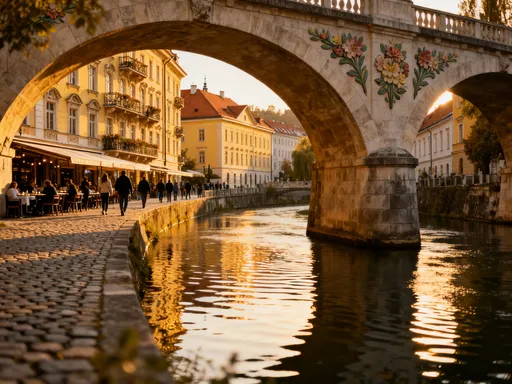
Today, most visitors gather in the bustling Markt Square, drawn by the towering belfry and rows of colorful buildings reflected in the nearby canal. But just a five-minute walk away, the sounds of chatter fade, replaced by the soft lap of water against mossy stone. Here, the city reveals another face—one defined by narrow, tree-lined waterways where swans glide in silence and wooden bridges creak underfoot. These are the original veins of Bruges, engineered not for spectacle but for utility. Their quiet persistence speaks to a deeper truth: Bruges was never meant to be a museum. It was built to function, and its waterways remain central to that function.
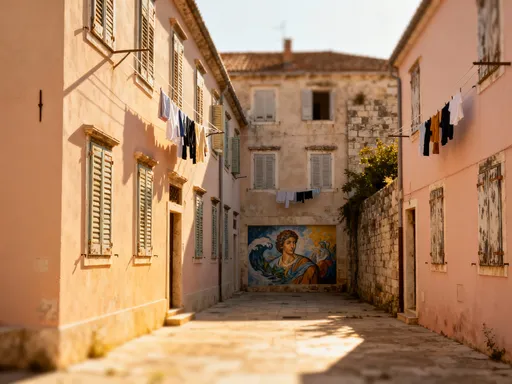
The contrast between the tourist heart and these hidden channels could not be starker. While the main canals are lined with cafes and boat tours, the outer loops wind through residential neighborhoods where laundry hangs above the water and houseboats sway gently at dock. These areas, often overlooked by guidebooks, offer a more authentic sense of how Bruges lives with water every day. The city’s charm isn’t just in its preservation—it’s in the seamless integration of past and present, of beauty and practicality, of people and the water that surrounds them.
Walking the Forgotten Arteries
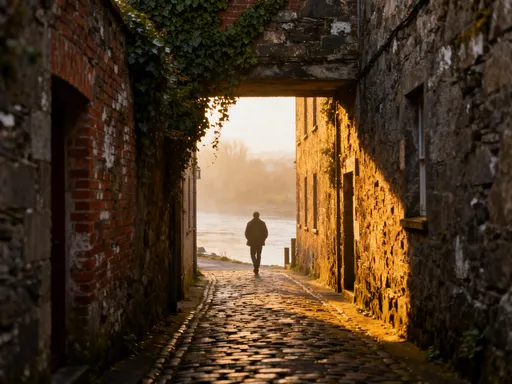
To truly understand Bruges, one must walk beyond the postcard views and follow the quieter currents. The Dampoort district, named after one of the city’s oldest gates, offers a perfect starting point. Once a key entry for traders and travelers arriving by river, it now stands as a quiet gateway to some of Bruges’ most overlooked waterways. Here, the Reie River widens slightly, its banks lined with weathered stone and centuries-old willow trees that dip their branches into the still water. The path along the river is uneven, paved with worn cobblestones slick with morning dew, a reminder that this is not a curated tourist trail but a lived-in landscape.
As you walk, subtle signs of Bruges’ hydrological intelligence emerge. Slight inclines in the path suggest ancient elevation changes designed to control water flow. Damp patches on stone walls reveal the seasonal rise and fall of groundwater. In some places, iron chains hang loosely from wooden pilings—remnants of a time when boats were moored by hand, their weight shifting with the tides. These details are easy to miss, but they tell a story of a city that has learned to listen to its environment.
One of the most fascinating features is the presence of old lock systems, many of which still operate with minimal modern intervention. These modest structures, often tucked between houses or hidden behind ivy-covered walls, regulate water levels with a mechanical simplicity that belies their importance. A single gate, turned by hand or powered by small electric motors, can redirect flow, prevent flooding, or maintain navigable depths. Some locks show signs of age—rusted hinges, algae-streaked concrete—but they continue to function, a testament to their original craftsmanship.
Observant travelers will notice patterns in the water itself. Algae grow in predictable swirls, shaped by the slow current. Ripples form in specific spots, indicating hidden channels or underground springs. Even the color of the water changes—from clear green near fountains to deep brown in shaded stretches—each hue a clue to the ecosystem beneath. These are not just aesthetic details; they are indicators of a living system, quietly maintained and deeply interconnected.
Why These Waterways Matter Today
The hidden waterways of Bruges are not relics of a bygone era—they are vital components of the city’s modern infrastructure. In a country where nearly two-thirds of the land lies at or below sea level, effective water management is not a luxury but a necessity. The network of canals, locks, and drainage ditches continues to play a crucial role in flood prevention, especially during periods of heavy rainfall or rising groundwater. By channeling excess water away from residential areas and public spaces, these systems help protect both property and people.
Beyond flood control, the waterways support a surprising amount of biodiversity. The Reie River and its tributaries are home to native fish species, freshwater mussels, and a variety of aquatic plants. Birdlife thrives along the banks, with kingfishers, herons, and wagtails commonly spotted in the quieter zones. Even insects and amphibians find refuge in the damp microclimates created by the constant presence of water. This ecological richness is not accidental; it is the result of deliberate conservation efforts aimed at balancing urban life with natural systems.
Local authorities, in collaboration with environmental NGOs, have implemented a range of initiatives to preserve and enhance these waterways. Regular dredging removes sediment buildup, ensuring smooth flow and preventing stagnation. Native vegetation is encouraged along the banks to stabilize soil and provide habitat. Water quality is monitored through routine testing, with data used to adjust maintenance schedules and identify pollution sources. These efforts are not driven by nostalgia, but by a practical understanding that a healthy water system is essential to a livable city.
Moreover, the preservation of these channels has indirect benefits for tourism and the local economy. While most visitors come for the medieval architecture, those who explore the quieter waterways often report a deeper connection to the city. They speak of peace, reflection, and a sense of discovery—qualities that enhance the overall visitor experience. Sustainable tourism, in this context, is not just about reducing environmental impact; it’s about offering meaningful encounters that go beyond the surface.
How to Experience the Secret Hydrology
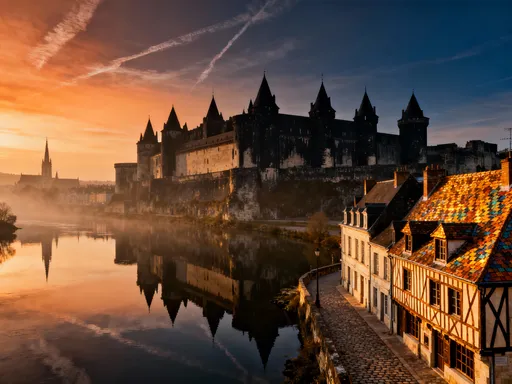
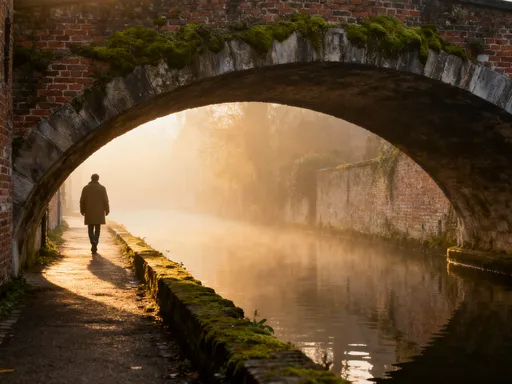
To truly appreciate Bruges’ hidden waterways, timing and preparation are essential. The best moments to explore are early in the morning, before the tourist crowds arrive, or on weekdays when the city moves at a gentler pace. At dawn, the canals are often shrouded in mist, their surfaces still and reflective, creating a dreamlike atmosphere. The light is soft, the air cool and damp, and the only sounds are the occasional call of a bird or the distant chime of a church bell.
Footwear matters. The paths along the outer canals can be uneven and slippery, especially after rain. Water-resistant shoes with good grip are recommended, as some sections may be damp or partially flooded during high water periods. A light jacket or umbrella is also wise, given Belgium’s unpredictable weather. Carrying a small notebook or camera can enhance the experience, allowing you to record details—patterns in the water, textures of the stone, the play of light on the surface—that might otherwise go unnoticed.
For those seeking a different perspective, renting a small electric boat offers a unique way to engage with the waterways. These eco-friendly vessels make almost no noise and produce zero emissions, allowing you to glide silently through narrow channels inaccessible to larger tour boats. Many rental services provide basic instruction and suggested routes, including maps that highlight points of interest such as historic locks, wildlife zones, and quiet mooring spots. The experience is not about speed or destination, but about immersion—feeling the gentle movement of the water, observing life along the banks, and moving at a pace that invites reflection.
As you walk or float, look for subtle signs of geological and historical activity. Tilted brickwork in old buildings may indicate shifting foundations due to water saturation. Damp-resistant plants like moss, ferns, and reeds grow in predictable patterns, marking areas of high moisture. Wooden pilings, blackened by time and water, protrude from the banks in some places, remnants of medieval construction techniques. Even the color and clarity of the water can change within a short distance, revealing variations in flow, depth, and ecosystem health.
The People Who Keep the Water Alive
Behind the quiet efficiency of Bruges’ water system are the people who maintain it—often unseen, always essential. Lock operators, many of whom have worked on the canals for decades, understand the rhythms of the water in a way that cannot be learned from manuals. They know when a gate needs oil, when a channel requires clearing, and how seasonal changes affect flow. Their work is precise and routine, yet deeply intuitive. As one steward put it, “We don’t just manage water—we live with it.”
Canal maintenance crews work year-round to keep the system functional. In spring, they clear winter debris—branches, leaves, and occasional litter—that can block flow. During summer, they monitor water levels and repair minor damage to banks and locks. Autumn brings dredging operations, removing accumulated silt to maintain depth. Winter is a time of inspection and preparation, ensuring that the system can withstand freezing temperatures and increased rainfall. Their labor is physical, often done in cold or wet conditions, but they take pride in knowing their work protects the city.
Volunteer groups also play a vital role. Local residents, including many retirees and families, participate in organized clean-up events, removing trash and invasive plant species from the banks. These efforts foster a sense of community and stewardship, connecting people to the waterways in a personal way. Some volunteers keep informal logs of wildlife sightings or water conditions, contributing to broader environmental monitoring. Their involvement reflects a growing awareness that preserving Bruges’ hydrology is not just the job of experts, but a shared responsibility.
What unites these individuals is a deep respect for the city’s relationship with water. They do not seek recognition; their satisfaction comes from knowing that the canals continue to flow, that the locks still operate, and that future generations will inherit a city that functions in harmony with its environment. Their quiet dedication is a powerful reminder that infrastructure is not just about engineering—it’s about care, continuity, and connection.
A City Built on Water, Not Just Stone
To walk through Bruges is to walk on water—or more precisely, on wooden piles driven deep into the marshland over 700 years ago. These oak foundations, preserved by the lack of oxygen in the wet soil, still support some of the city’s oldest buildings. This remarkable adaptation underscores a fundamental truth: Bruges was not imposed on the landscape, but shaped by it. Every street, bridge, and building reflects a centuries-long dialogue between human ambition and natural constraint.
The city’s layout follows ancient drainage patterns, with roads often aligned to follow the natural slope of the land. Even today, seasonal water level changes influence daily life. During wet periods, some low-lying paths may be temporarily closed, and basements in older homes require careful monitoring. Yet these challenges are not seen as flaws, but as reminders of the city’s unique character. Residents adapt with quiet resilience, using pumps, barriers, and traditional knowledge to coexist with the water.
Compared to other low-lying European cities like Amsterdam or Ghent, Bruges stands out for its decentralized, organic approach to water management. While Amsterdam relies heavily on large-scale pumping stations and dikes, Bruges maintains a network of small, localized systems that work with the natural topography. Ghent, with its more industrial history, has prioritized navigability for commercial traffic, whereas Bruges has preserved a balance between function and ecology. This distinct adaptation reflects not just engineering choices, but cultural values—patience, precision, and respect for continuity.
The city’s relationship with water is not static. Modern technologies, such as real-time water level sensors and automated lock controls, are being integrated into the historic system. Yet these innovations are applied with care, ensuring that the character and integrity of the waterways are preserved. The goal is not to conquer nature, but to refine an already intelligent design—one that has proven its resilience over centuries.
Beyond Tourism: The Quiet Beauty of Function
Bruges is often celebrated as a fairy tale city, a place where time seems to stand still. But to see it only as a beautifully preserved relic is to miss its true essence. The city is not frozen—it is flowing. Its hidden waterways are not just remnants of the past, but active, living systems that sustain it. They remind us that beauty and function are not opposites, but partners. A lock that regulates water levels is as worthy of admiration as a Gothic spire. A quiet canal lined with moss is as meaningful as a bustling square filled with tourists.
This perspective invites a shift in how we travel. Instead of chasing famous sights, we can learn to sense place—its rhythms, textures, and hidden logic. We can slow down, listen to the water, and notice the small details that reveal a deeper story. In doing so, we move from being spectators to becoming participants, connected to the city not just through sight, but through understanding.
The hidden waterways of Bruges offer more than scenic views—they offer wisdom. They teach us about resilience, adaptation, and the quiet intelligence of systems that have endured because they work in harmony with nature. They challenge us to look beyond the surface, to appreciate not just what a city looks like, but how it lives.
So the next time you visit Bruges, step away from the crowds. Walk the forgotten alleys, follow the quiet currents, and let the water guide you. You may not find grand monuments or famous landmarks, but you will discover something more valuable—the city’s hidden pulse, still beating beneath the surface.