Feast in the Floating City: Kochi’s Culinary Soul Uncovered
Nestled along Kerala’s shimmering coast, Kochi is more than a historic port—it’s a feast for the senses. From sizzling banana leaf meals to aromatic spice-laden curries, every bite tells a story of colonial echoes, coastal bounty, and cultural fusion. I wandered alleyways heavy with the scent of cumin and coconut oil, chasing flavors that go far beyond the menu. This isn’t just eating—it’s experiencing India’s culinary heart, one fiery, fragrant mouthful at a time. More than a destination, Kochi is a living archive of taste, where centuries of trade, migration, and tradition have simmered into a cuisine that nourishes both body and soul. To understand this city is to taste it, slowly, deliberately, with reverence for the hands that prepare it and the history that shaped it.
The Flavors That Define Kochi
Kochi’s cuisine is a reflection of its geography, history, and soul. Situated on the Malabar Coast, the city has long been a crossroads of civilizations, where Arabian traders, European colonizers, and South Indian kingdoms converged. This convergence is most vividly expressed in its food. The foundation of Keralan cooking rests on a few essential ingredients: coconut in all its forms—milk, oil, grated flesh—freshly caught seafood, fragrant curry leaves, black mustard seeds, and the bold warmth of black pepper, native to this very region. These are not mere seasonings; they are the pillars of a culinary identity that has evolved over centuries.
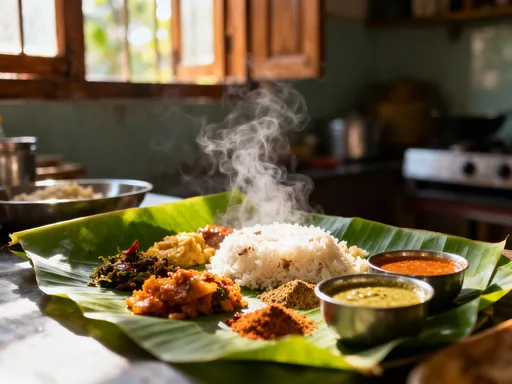
What sets Kochi apart is how these ingredients are layered with external influences. Portuguese traders introduced chilies, vinegar, and baking techniques in the 16th century, forever altering the spice profile of local dishes. The Dutch brought pickling traditions, while the British left behind a taste for structured meals and afternoon tea culture. Yet, despite these layers, the essence of Keralan food remains deeply rooted in its land and people. Meals are still often served on banana leaves, a practice that signifies both sustainability and ritual. The order in which food is eaten—starting with salt and pickle, moving to rice and curries, ending with buttermilk—is a quiet act of cultural continuity.
Central to this tradition is the *sadhya*, a grand vegetarian feast typically served during festivals like Onam. A full sadhya can include over 20 dishes, from tangy mango pickle and cooling cucumber raita to rich avial (a mixed vegetable curry in coconut gravy) and thoran (stir-fried greens with grated coconut). It is a celebration of abundance, balance, and hospitality. While non-vegetarian dishes are common in everyday meals, the sadhya underscores the spiritual and communal role of food in Keralan life. Eating together, from the same leaf, reinforces family bonds and shared identity. In Kochi, food is never just sustenance—it is memory, identity, and connection made edible.
Where History Meets the Plate
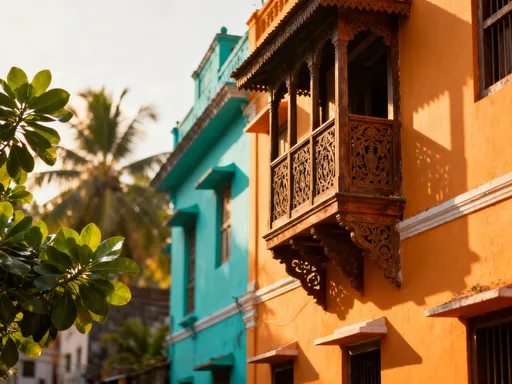
Fort Kochi, with its cobblestone streets and colonial-era buildings, is where the past feels palpably present—not in museums alone, but on dinner plates. The legacy of Portuguese, Dutch, and British rule lingers in the architecture, yes, but also in the way people eat. Heritage homes with teakwood beams and tiled roofs have been thoughtfully converted into cafes and restaurants, where the aroma of cardamom coffee mingles with sea breezes. These spaces do not merely serve food; they preserve a way of life, one where dining is slow, deliberate, and deeply social.
One of the most enduring culinary legacies is the Portuguese influence on baking. Local bakeries still produce sweet, golden *breads*—a legacy of 16th-century ovens—often enjoyed with spicy curries or coconut chutney. These are not the airy loaves of the West but dense, slightly sweet creations that pair surprisingly well with savory dishes. Similarly, the use of vinegar in fish curries and pickles can be traced back to European preservation methods adapted to tropical climates. These subtle nods to history are not performative; they are lived traditions, passed down through generations of home cooks and small-scale restaurateurs.
Scattered throughout the old town are family-run *hotels*—in the Indian sense, meaning modest, no-frills eateries that serve authentic regional fare. Here, one can find dishes like appam with stew: lacy, fermented rice pancakes paired with a mild coconut milk-based curry of chicken or vegetables. Another favorite is fish molee, a dish of tender fish simmered in turmeric, ginger, and coconut milk, its origins likely linked to Portuguese *molho*. These meals are not plated for Instagram; they are served with warmth, often on steel plates, and eaten with the right hand—a tactile experience that deepens the connection to the food. The absence of pretense is part of the authenticity. In these spaces, history is not explained; it is tasted.
A Walk Through Local Markets
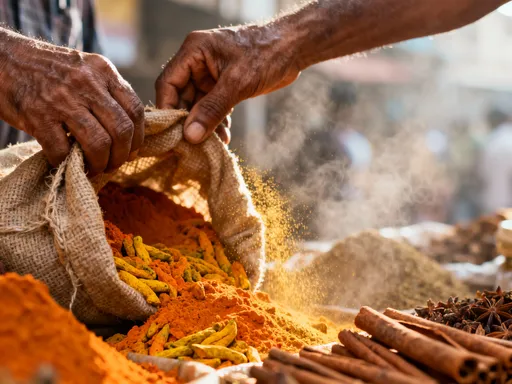
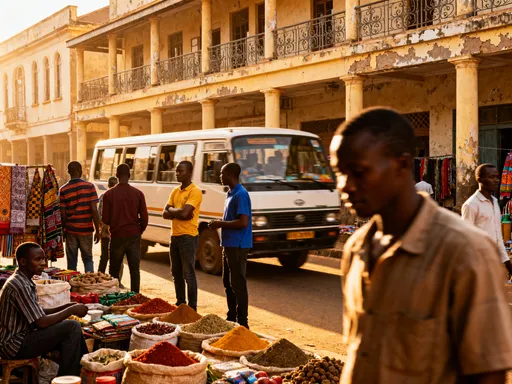
To understand Kochi’s cuisine, one must begin at its source: the markets. Early each morning, long before the tourist boats set sail, the city’s food economy comes alive in a symphony of color, scent, and sound. In Mattancherry, the air is thick with the perfume of dried spices—cinnamon sticks stacked like logs, mounds of turmeric root glowing like sunsets, and black peppercorns spilled from burlap sacks. These are not display items for souvenirs; they are the raw materials of daily cooking, destined for home kitchens and restaurant woks alike.
Just a short walk away, the fish markets buzz with activity. Fishermen haul in the morning’s catch—kingfish, sardines, prawns, and pomfret—laying them out on marble slabs under shaded awnings. Buyers, mostly women in cotton saris, inspect each piece with practiced eyes, negotiating prices in rapid-fire Malayalam. The fish will be cleaned on-site, wrapped in banana leaves, and carried home in woven baskets. This direct farm-to-table (or rather, boat-to-kitchen) chain ensures freshness and supports local livelihoods. It is a system that has changed little over generations, resilient in the face of modernization.
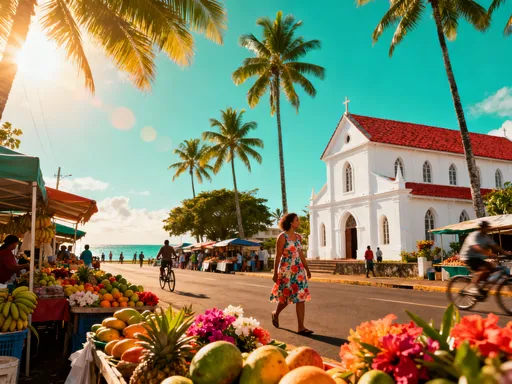
In Ernakulam, the vegetable markets offer another dimension of this culinary ecosystem. Stalls overflow with bitter gourd, okra, snake gourd, and drumsticks—the last a favorite in sambar and dals. Bananas in dozens of varieties—some for frying, others for boiling or eating raw—hang in clusters from wooden beams. Vendors call out prices, children dart between stalls, and elders bargain with the patience of those who know the value of a good deal. These markets are not tourist attractions; they are essential infrastructure, the beating heart of Kochi’s food culture. For visitors, a walk through them is an education in seasonality, regional produce, and the rhythms of daily life. To shop here, even as an observer, is to witness the first step in every meal.
Street Food Adventures: From Dosa to Durian
No exploration of Kochi’s food scene is complete without venturing into its street food culture. On nearly every corner, especially in bustling areas like Broadway and Marine Drive, small stalls and carts offer quick, delicious bites that sustain both locals and travelers. These are not mere snacks; they are culinary milestones in a day’s rhythm. The dosa, a crisp fermented crepe made from rice and lentils, is perhaps the most iconic. Served hot off the griddle with coconut chutney and spicy sambar, it is a perfect balance of texture and taste. Variations like the masala dosa, stuffed with spiced potatoes, are widely available and consistently satisfying.
Equally beloved are idlis—soft, steamed rice cakes that are light on the stomach and rich in comfort. Often eaten for breakfast or a midday snack, they are typically served in sets of three, accompanied by the same chutneys and sambar as dosas. For those seeking something heartier, fish fry is a must. Marinated in turmeric, chili, and salt, then shallow-fried to a golden crisp, it is a coastal specialty that packs a flavorful punch. Banana fritters, or *pazham pori*, are the sweet counterpart—ripe plantains coated in batter and fried until caramelized, offering a warm, sticky indulgence best enjoyed with a cup of strong filter coffee.
In recent years, a new wave of fusion street food has emerged, blending traditional flavors with modern presentation. While some stalls now offer Kerala-style tacos or coconut milk smoothies, the most enduring favorites remain the classics. For travelers, the key to enjoying street food safely lies in observation: look for stalls with high turnover, clean surfaces, and cooks who handle food with tongs or gloves. Eating where the locals eat is usually the best indicator of both quality and hygiene. Street food in Kochi is not about novelty; it is about accessibility, flavor, and the joy of eating well, without pretense.
Fine Dining with a Kerala Twist
While street food and home-style meals define the soul of Kochi’s cuisine, a quieter revolution is unfolding in its fine dining scene. In heritage properties and boutique hotels, chefs are reimagining traditional recipes with precision, presentation, and a deep respect for ingredients. These are not attempts to “elevate” Keralan food in a colonial sense, but rather to honor it through careful technique and seasonal sourcing. The result is a dining experience that feels both luxurious and authentic.
One standout example is the reinvention of black pepper crab, a dish that highlights the region’s most famous spice. Once a simple home-cooked meal, it now appears on refined menus with attention to sauce consistency, crab freshness, and balance of heat. Similarly, desserts featuring palm jaggery—extracted from the sap of toddy palms—are being showcased in elegant forms, such as molten cakes or sorbets, preserving their deep, smoky sweetness while appealing to contemporary palates. Fermented rice dishes like *kadubu* are being presented with modern plating, turning humble village fare into art.
A growing number of establishments are embracing farm-to-table principles, sourcing vegetables from nearby organic farms and seafood from sustainable fisheries. Some even host garden-to-plate dinners, where guests dine among coconut palms and banana trees, surrounded by the very ingredients on their plates. These experiences are not about exclusivity; they are about connection—to the land, to the seasons, and to the people who grow and catch the food. While such dining options are still relatively few, their presence signals a maturing food culture that values both tradition and innovation. For the discerning traveler, they offer a chance to see Kochi’s cuisine through a new lens, one that is polished but never loses its roots.
Cooking Classes and Home Dining Experiences
For those who wish to go beyond tasting and truly understand Kochi’s culinary world, hands-on experiences offer a deeper connection. Cooking classes, often held in family kitchens or garden courtyards, provide a rare glimpse into the rhythms of daily life. Under the guidance of local cooks—often mothers or grandmothers—participants learn to temper spices in coconut oil, layer flavors in a curry, and shape banana leaf packets with care. These are not demonstration-only sessions; they are immersive, tactile lessons in patience, precision, and tradition.
One of the most cherished skills taught is *tadka* or tempering—frying mustard seeds, curry leaves, and dried red chilies in hot oil to release their aroma before adding them to a dish. This simple act transforms a curry, adding depth and complexity. Participants also learn to make coconut-based gravies from scratch, using freshly grated flesh and hand-ground spices. The emphasis is always on technique over speed, on flavor over flair. By the end of the class, guests don’t just have a recipe; they have a memory, a story, and a newfound appreciation for the labor behind every meal.
Equally rewarding are home dining experiences, where travelers are invited into local homes for a shared meal. These are not staged performances but genuine acts of hospitality. Families prepare their favorite dishes—perhaps a fish curry with tamarind, a lentil dal with garlic tempering, and steamed rice—served exactly as they would for relatives. Conversations flow, children peek in from the hallway, and stories are exchanged over bites of food. In these moments, the boundary between visitor and host dissolves. Eating at someone’s table is one of the most intimate ways to experience a culture. In Kochi, where food is an expression of love and respect, such moments are not just memorable—they are transformative.
Practical Tips for the Food-Loving Traveler
For those planning a culinary journey through Kochi, a few practical considerations can enhance both enjoyment and safety. The best time to visit markets is early in the morning, between 6:00 and 9:00 a.m., when produce is freshest and the atmosphere is most vibrant. Fish markets are especially lively just after dawn, offering the best selection and insight into local trade. When sampling street food, look for stalls with clean utensils, covered ingredients, and a steady stream of local customers—these are strong indicators of hygiene and quality.
Vegetarians will find Kochi exceptionally welcoming, with a wide array of dishes based on lentils, vegetables, and coconut. However, non-vegetarian travelers should not miss the chance to try fresh seafood, particularly kingfish, prawns, and mussels, which are staples of the coastal diet. For those concerned about spice levels, it’s wise to start with milder dishes like vegetable stew or coconut-based curries and gradually work up to hotter preparations. Most restaurants are happy to adjust spice levels upon request, especially when dining with families.
Staying hydrated is essential, particularly in Kerala’s humid climate. Coconut water, available fresh from street vendors, is a natural and refreshing choice. Bottled water is widely available, but it’s best to avoid ice in drinks unless it’s from a reputable source. Travelers should also be mindful of food hygiene—peel fruits yourself, avoid uncooked salads, and opt for freshly cooked, piping-hot meals whenever possible.
For those eager to explore beyond the city, day trips to nearby islands like Vypeen or villages like Kumbalangi offer a chance to see traditional fishing communities and sample home-cooked meals in a rural setting. Public ferries and auto-rickshaws provide affordable and scenic transportation options. Finally, responsible eating means respecting local customs—eating with the right hand when appropriate, finishing what’s served on the banana leaf, and supporting small, family-run businesses. Every meal is an opportunity to contribute to the community and preserve the authenticity of Kochi’s food culture.
Conclusion
Kochi is not a city you simply visit; it is one you taste, smell, and feel. Its culinary landscape is a living narrative, woven from centuries of trade, faith, and family. Every meal, whether served on a banana leaf in a quiet home or plated in a heritage dining room, carries the weight of history and the warmth of hospitality. To eat in Kochi is to participate in a tradition that values balance, seasonality, and connection.
The true magic of this floating city lies not in grand gestures but in quiet moments: the sizzle of mustard seeds in coconut oil, the shared silence around a banana leaf meal, the smile of a vendor offering a sample of ripe mango. These are the experiences that linger long after the journey ends. For the traveler, the invitation is clear: slow down, savor deeply, and let flavor be your guide. In Kochi, to eat is not just to nourish the body—it is to arrive, fully, in the heart of India’s culinary soul.