What Your Hair Is Trying to Tell You: A Dermatologist’s Take on Scalp Health
Have you ever noticed increased shedding, dryness, or breakage and wondered what your body might be signaling? Hair isn’t just about looks—it’s a visible marker of internal health. From nutrient levels to hormone balance, your scalp can reflect deeper imbalances. As someone who’s evaluated hundreds of cases, I’ve seen how early signs in hair often precede more serious conditions. Understanding these signals isn’t vanity—it’s smart self-care. When changes appear, they’re rarely isolated to the surface. They’re part of a complex conversation between your body and environment, one that deserves attention, not dismissal. This article explores what your hair may be trying to communicate, grounded in dermatological science and clinical experience, offering clarity without alarm.
The Hair-Health Connection: More Than Skin Deep
Hair is often dismissed as purely cosmetic, but from a medical standpoint, it serves as a dynamic indicator of systemic health. Each strand emerges from a follicle embedded in the scalp, a structure influenced by genetics, metabolism, immunity, and hormonal activity. The hair growth cycle—comprising anagen (growth), catagen (transition), and telogen (resting) phases—is tightly regulated by the body’s internal environment. Disruptions in this cycle can manifest as thinning, shedding, or changes in texture, often before other symptoms arise.
Dermatologists frequently observe hair changes in patients with undiagnosed deficiencies, thyroid disorders, or chronic stress. For instance, diffuse hair loss may appear three months after a severe illness, surgery, or emotional trauma—a condition known as telogen effluvium. This delay occurs because a shock to the system forces a large number of follicles into the resting phase simultaneously. While the hair fall happens later, the root cause may have occurred weeks prior, making it essential to consider broader health history.
The structure of hair itself also provides clues. Healthy hair is strong, elastic, and resilient, thanks to its keratin composition and protective cuticle layer. When the cuticle becomes damaged or the cortex weakens, hair becomes brittle, prone to breakage, and lacks shine. These changes are not merely the result of styling or environmental exposure; they often reflect inadequate protein intake, oxidative stress, or hormonal fluctuations. Recognizing hair as a bio-monitor shifts the focus from aesthetics to awareness, encouraging a more holistic approach to well-being.
Moreover, the scalp is an extension of the skin, sharing similar characteristics and vulnerabilities. Just as skin can become inflamed, dry, or oily due to internal imbalances, so too can the scalp. Conditions like seborrheic dermatitis, psoriasis, or fungal overgrowth often begin subtly, with flaking or itching, and may worsen without proper care. Because the scalp environment directly affects follicle health, maintaining its balance is critical. This connection underscores why treating hair concerns requires more than topical solutions—it demands attention to the body’s overall state.
Key Scalp & Hair Indicators You Shouldn’t Ignore
Subtle changes in hair and scalp condition often serve as early warnings. Recognizing these signs—and understanding their possible implications—can prompt timely action. One of the most common concerns is excessive shedding. While losing 50 to 100 hairs per day is normal, a noticeable increase in hair on brushes, pillows, or in drains may signal an underlying shift. This could stem from nutritional deficiencies, hormonal changes, or physical or emotional stress. The key is consistency: if the shedding persists beyond a few weeks, it warrants further investigation.
Thinning hair, particularly at the crown or part line, is another frequent observation. In women, this pattern is often associated with female pattern hair loss, a genetic condition influenced by hormones. However, it can also result from iron deficiency, chronic inflammation, or autoimmune activity. Unlike sudden shedding, thinning tends to develop gradually, making it easy to overlook until significant density is lost. Early recognition allows for more effective management, especially when combined with professional evaluation.
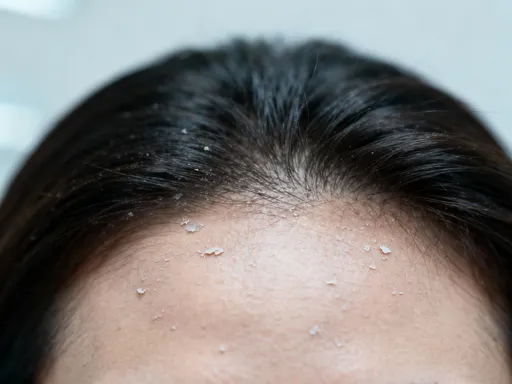
Flaking and itching are common scalp symptoms that may indicate dandruff or seborrheic dermatitis. While often mild, persistent flaking accompanied by redness or greasy scales suggests an inflammatory response, possibly linked to yeast overgrowth or immune system sensitivity. On the other hand, dry, powdery flakes may point to dehydration, harsh product use, or environmental factors. Distinguishing between these types helps guide appropriate care, whether through gentle cleansing, medicated shampoos, or lifestyle adjustments.
Excess oiliness is another sign that should not be dismissed. A shiny scalp may seem like a surface issue, but it can reflect hormonal fluctuations, particularly androgen activity. In some cases, overactive sebaceous glands produce excess sebum, creating an environment conducive to inflammation and follicle blockage. This can contribute to both scalp irritation and hair thinning over time. Conversely, an overly dry scalp may indicate nutrient deficiencies, especially essential fatty acids, or over-washing with stripping products.
Slow regrowth after hair loss is another red flag. Hair typically grows about half an inch per month, but this rate can slow due to age, poor circulation, or impaired follicle function. If new hair appears finer, weaker, or fails to grow beyond a certain length, it may indicate that the follicles are not receiving adequate support. This could be due to reduced blood flow, chronic inflammation, or metabolic imbalances. Monitoring regrowth patterns helps assess whether the body is recovering or if deeper intervention is needed.
Nutrition’s Role in Hair Integrity: The Inside-Out Factor
Diet plays a foundational role in maintaining strong, healthy hair. The follicle is a metabolically active structure that requires a steady supply of nutrients to function optimally. Among the most critical are iron, vitamin D, zinc, biotin, and high-quality protein. These nutrients support keratin production, cell turnover, and the hair growth cycle. Deficiencies—even mild or subclinical ones—can disrupt these processes, leading to noticeable changes in hair quality.
Iron deficiency, particularly low ferritin levels, is one of the most common nutritional causes of hair loss in women. Ferritin is a protein that stores iron and reflects the body’s iron reserves. When levels fall below optimal ranges, the body prioritizes oxygen delivery to vital organs over non-essential functions like hair growth. This can push follicles into the resting phase prematurely, resulting in increased shedding. Blood tests are essential for identifying this issue, as symptoms like fatigue or pale skin may be subtle or absent.
Vitamin D, often called the “sunshine vitamin,” also plays a significant role in follicle health. Receptors for vitamin D are present in hair follicles, and research suggests it helps regulate the hair cycle, particularly the anagen phase. Low levels have been associated with alopecia areata and other forms of hair loss. While sunlight exposure contributes to vitamin D synthesis, many people, especially those with limited sun exposure or darker skin tones, may require dietary or supplemental support under medical guidance.
Zinc is another essential mineral involved in DNA and protein synthesis, both crucial for hair growth. Deficiency can lead to telogen effluvium and impaired wound healing, including in the scalp. However, excessive zinc intake can also cause hair loss, highlighting the importance of balance. Dietary sources like pumpkin seeds, legumes, and shellfish provide zinc in safe, absorbable forms.
Biotin, a B-vitamin, is widely marketed for hair health, but true deficiency is rare. It supports keratin infrastructure and is involved in energy metabolism. While supplementation may benefit those with confirmed deficiency, there is limited evidence that extra biotin improves hair growth in well-nourished individuals. Instead, focusing on whole foods rich in B-vitamins—such as eggs, nuts, whole grains, and leafy greens—offers a more sustainable approach.
Protein is the building block of hair. Each strand is primarily composed of keratin, a structural protein. Inadequate protein intake can lead to brittle, weak hair and reduced growth. This is especially relevant for those following restrictive diets or experiencing malabsorption issues. Including lean meats, fish, dairy, beans, and lentils ensures a steady supply of amino acids necessary for hair integrity. Hydration and healthy fats, such as omega-3 fatty acids from fatty fish or flaxseeds, also contribute to scalp moisture and reduce inflammation.
Hormones and Hair: Decoding the Balance
Hormonal fluctuations are a major influence on hair growth and loss, particularly in women. The thyroid gland, for example, regulates metabolism, energy production, and cellular function—all of which impact the hair cycle. Both hypothyroidism and hyperthyroidism can lead to diffuse hair thinning. In hypothyroidism, slowed metabolism reduces follicle activity, while in hyperthyroidism, the accelerated cycle may shorten the growth phase. Blood tests measuring TSH, T3, and T4 levels are necessary to diagnose and manage these conditions.
Androgens, often thought of as male hormones, also play a role in female hair health. Dihydrotestosterone (DHT), a derivative of testosterone, can shrink hair follicles in genetically predisposed individuals, leading to female pattern hair loss. This typically presents as widening of the part line or thinning at the crown, rather than complete baldness. While DHT is a natural hormone, its effects can be mitigated through medical treatments that block its action or support follicle health.
Estrogen, on the other hand, tends to support hair growth by prolonging the anagen phase. This explains why many women experience thick, luxurious hair during pregnancy, when estrogen levels are high. After childbirth, estrogen drops sharply, often triggering postpartum shedding—a form of telogen effluvium. While usually temporary, this can be distressing. Most women see regrowth within six to twelve months, but persistent loss should prompt evaluation for other contributing factors.
Perimenopause and menopause bring another wave of hormonal change. As estrogen declines, the balance shifts, potentially allowing androgens to exert greater influence on the scalp. This can lead to gradual thinning, especially in those with a family history of hair loss. Additionally, changes in skin and scalp hydration during this time may exacerbate dryness and irritation. Hormone replacement therapy (HRT) may help some women maintain hair density, but decisions should be made in consultation with a healthcare provider, weighing risks and benefits.
Polycystic ovary syndrome (PCOS) is another condition where hormonal imbalance affects hair. Women with PCOS often have elevated androgen levels, leading to scalp hair thinning alongside unwanted facial or body hair growth. Insulin resistance, a common feature of PCOS, may further contribute to follicle dysfunction. Management involves addressing the underlying condition through lifestyle changes, medication, and sometimes dermatological treatment for hair loss.
Stress, Sleep, and Scalp Inflammation: The Hidden Triggers
Chronic stress and poor sleep are increasingly recognized as contributors to hair and scalp issues. When the body is under prolonged stress, it releases cortisol, a hormone that, in excess, can disrupt immune function, increase inflammation, and interfere with the hair growth cycle. Elevated cortisol levels have been linked to telogen effluvium and alopecia areata, an autoimmune condition causing patchy hair loss. While acute stress may trigger temporary shedding, chronic stress can lead to sustained hair thinning if not addressed.
Sleep is equally important. During deep sleep, the body repairs tissues, balances hormones, and regulates inflammation. Disrupted or insufficient sleep can impair these processes, weakening the body’s ability to maintain healthy follicles. Research shows that poor sleep quality is associated with increased oxidative stress, which damages cells and accelerates aging—including in the scalp. Establishing consistent sleep patterns supports overall resilience, including hair health.
Scalp inflammation, often overlooked, is another hidden factor. Conditions like seborrheic dermatitis, psoriasis, or folliculitis involve immune-mediated inflammation that can damage follicles over time. Inflammation disrupts the normal growth cycle, leading to shedding, itching, and discomfort. Triggers include stress, hormonal shifts, microbial overgrowth, or sensitivity to hair products. Managing inflammation requires a multifaceted approach: reducing stress, using gentle, non-irritating products, and seeking medical treatment when necessary.
Mindfulness practices, regular physical activity, and structured routines can help regulate the body’s stress response. Techniques such as deep breathing, meditation, or yoga have been shown to lower cortisol levels and improve sleep quality. These behavioral adjustments do not require drastic changes but benefit from consistency. Over time, they support a more balanced internal environment, which in turn fosters healthier hair.
When to See a Specialist: Beyond Home Care
While lifestyle and nutritional improvements can address many hair concerns, some changes require professional evaluation. Rapid or patchy hair loss, especially if accompanied by scalp redness, pain, or scarring, should not be ignored. These symptoms may indicate autoimmune conditions like alopecia areata, scarring alopecias, or infections that need targeted treatment. Early intervention improves the likelihood of regrowth and prevents permanent damage.
A board-certified dermatologist is the most appropriate specialist for hair and scalp concerns. During an assessment, they will review medical history, perform a scalp examination, and may order blood tests to check for deficiencies, thyroid dysfunction, or hormonal imbalances. In some cases, a scalp biopsy may be necessary to confirm a diagnosis. These evaluations are non-invasive and provide valuable insights into the root cause.
It is important to avoid self-treating with over-the-counter products that promise quick results. Many contain ingredients that may irritate the scalp or lack scientific backing. Some can even worsen the condition if used incorrectly. Instead, a personalized treatment plan—based on diagnosis—offers the best chance for improvement. This may include prescription medications, topical treatments, or referrals to endocrinologists or nutritionists when systemic issues are involved.
Building a Sustainable Hair-Health Routine: Small Steps, Lasting Results
Maintaining healthy hair is not about dramatic transformations but consistent, informed care. A sustainable routine begins with gentle cleansing using a mild shampoo suited to your scalp type. Over-washing or using harsh sulfates can strip natural oils, leading to dryness and irritation. Conditioning the ends—not the scalp—helps prevent breakage without clogging follicles. Limiting heat styling and protective hairstyles reduce mechanical damage.
Nutrition remains central. A balanced diet rich in protein, iron, healthy fats, and vitamins supports hair from within. Regular blood work can identify silent deficiencies before they become problematic. Pairing good nutrition with adequate hydration and sleep creates a strong foundation. Stress management techniques, such as mindfulness or regular movement, further support hormonal and immune balance.
Monitoring changes over time is key. Taking monthly photos or noting shedding patterns helps track progress and identify new concerns early. Patience is essential—hair grows slowly, and improvements may take three to six months to become visible. Consistency, not intensity, leads to lasting results.
In conclusion, hair health is a window into the body’s inner state. By learning to read its signals—without fear or exaggeration—we gain insight into our overall well-being. This isn’t about perfection, but awareness. With informed care and timely action, maintaining strong, resilient hair becomes part of a broader commitment to long-term health.