How I Grew Healthier Hair by Moving More — My Long-Term Routine That Actually Works
You’ve probably heard that what you eat affects your hair, but what if I told you *how you move* matters just as much? For years, I struggled with thinning strands and zero shine—until I shifted focus from just topicals to overall vitality. Turns out, consistent, mindful movement boosts circulation, balances hormones, and supports long-term hair health. This isn’t a quick fix; it’s a lifestyle. Let me walk you through the exercise habits that quietly transformed my hair growth journey over time.
The Hair-Health Connection You’re Missing
Hair growth begins far beneath the surface. While many focus on shampoos, serums, or expensive treatments, the real foundation lies in the scalp’s environment—specifically, blood flow, nutrient delivery, and hormonal balance. Each hair follicle is a living system, dependent on oxygen and essential nutrients like iron, biotin, and protein. Without steady circulation, these building blocks can’t reach their destination, no matter how many supplements you take. This is where movement plays a crucial, often overlooked role. Physical activity stimulates the cardiovascular system, encouraging blood to flow more efficiently—even to the top of your head.
Think of your scalp as a garden. The visible strands are like flowers, but their health depends on the soil beneath. If the soil lacks nutrients or is compacted and dry, even the most carefully selected seeds won’t thrive. Similarly, a scalp starved of circulation or burdened by hormonal imbalance will struggle to support strong, shiny hair. Many women in their 30s to 50s begin noticing changes in hair texture or volume, often attributing it solely to aging or genetics. While those factors do play a role, lifestyle—especially physical activity—can significantly influence outcomes. Movement isn’t just about weight management or heart health; it’s a form of internal care that reaches every cell, including those responsible for hair growth.
Another common misconception is that hair health is purely cosmetic or external. In reality, thinning or brittle hair can be an early signal of systemic imbalances—such as poor circulation, elevated stress hormones, or inflammation. When you address these through movement, you’re not just improving appearance; you’re supporting deeper wellness. The shift in mindset—from chasing quick fixes to nurturing the body as a whole—is what leads to lasting change. And while topical products may offer temporary improvements, they can’t compensate for a lack of internal support. True hair vitality starts from within, and movement is one of the most accessible tools to build that foundation.
Why Short-Term Fixes Fail (And What to Do Instead)
It’s tempting to reach for the latest hair mask, serum, or supplement when you notice shedding or slow growth. These products promise fast results, often backed by glossy packaging and influencer endorsements. But more often than not, the improvements are fleeting. Why? Because they treat symptoms, not causes. If your body isn’t in a state conducive to growth—due to poor circulation, chronic stress, or hormonal fluctuations—no amount of topical treatment will create lasting change. The hair growth cycle itself is slow, typically lasting two to six years per strand, with a resting phase that can last months. This means results from any intervention take time, and temporary solutions rarely align with the body’s natural rhythms.
Sustainable hair wellness isn’t about reacting to changes but creating conditions for growth over time. That starts with systemic health—how well your body circulates blood, manages stress, and absorbs nutrients. Chronic stress, for example, elevates cortisol, a hormone linked to increased shedding. Poor circulation limits the delivery of oxygen and nutrients to follicles. And a sedentary lifestyle can contribute to both. These factors work quietly in the background, often going unnoticed until visible changes appear. The good news? They’re modifiable. Unlike genetics, which you can’t control, lifestyle habits like movement are within your power to change.
Patience is essential. Many women abandon routines after a few weeks, discouraged by a lack of immediate results. But hair doesn’t respond overnight. It takes consistent effort—daily choices that support overall health. Instead of chasing rapid transformations, focus on building habits that last. This means integrating movement into your life in a way that feels manageable, not overwhelming. The goal isn’t perfection but progress. Over time, these small, repeated actions create a cumulative effect. You may not see a difference in the mirror after one week, but after three months of steady movement, better sleep, and mindful living, the changes become undeniable. It’s not about doing more—it’s about doing something consistently, with purpose.
Movement That Fuels Follicles: The Science Simplified
Exercise isn’t just good for your heart or muscles—it directly benefits your hair. When you move, your heart pumps more efficiently, increasing circulation throughout the body. This includes the scalp, where improved blood flow delivers more oxygen and nutrients to hair follicles. These nutrients—such as iron, zinc, and amino acids—are essential for keratin production, the protein that makes up each strand. Without adequate supply, hair becomes weak, brittle, and prone to breakage. Studies have shown that individuals with better cardiovascular health often report improved hair thickness and growth, suggesting a clear link between systemic circulation and follicle function.
Another key factor is hormone regulation. Elevated levels of dihydrotestosterone (DHT), a derivative of testosterone, are associated with hair thinning, particularly in women experiencing hormonal shifts during perimenopause or menopause. Regular, moderate exercise has been shown to help regulate hormone levels, including reducing excess DHT. This doesn’t mean intense workouts are required—in fact, excessive exercise can have the opposite effect by increasing stress hormones. The sweet spot is consistent, balanced movement that supports endocrine health without overtaxing the body. Activities like brisk walking, cycling, or swimming are ideal for maintaining this balance.
Sweat also plays a dual role in scalp health. On one hand, sweating during exercise increases blood flow and can help clear pores on the scalp, potentially reducing buildup that might clog follicles. On the other hand, leaving sweat on the scalp for too long—especially if combined with oil or product residue—can create an environment conducive to irritation or mild infection. The solution isn’t to avoid sweating but to manage it wisely. Rinsing the scalp after a workout, even with just water, can help maintain cleanliness without stripping natural oils. Pairing movement with good hygiene practices ensures you gain the benefits without the drawbacks. The science is clear: when done mindfully, exercise creates an internal environment where hair can thrive.
My Weekly Movement Blueprint for Stronger Hair
I didn’t transform my hair by adopting an extreme fitness regimen. In fact, I avoided high-intensity programs that left me drained or sore. Instead, I focused on consistency and balance. My weekly routine is simple, sustainable, and designed to support long-term vitality. It includes three days of cardiovascular activity, two strength training sessions, and daily mobility work. This structure ensures I stay active without overexerting myself—key for maintaining hormonal balance and avoiding the cortisol spikes that can hinder hair growth.
For cardio, I choose low-impact options like brisk walking, often in a nearby park or around my neighborhood. Thirty to forty minutes, three times a week, is enough to elevate my heart rate and stimulate circulation. I’ve found that morning walks, especially in natural light, also help regulate my sleep-wake cycle, which indirectly supports hair health. On strength days, I use resistance bands or light dumbbells at home. These sessions focus on major muscle groups—legs, back, arms—and last about 25 to 30 minutes. Strength training not only builds muscle but also improves insulin sensitivity and metabolic function, both of which contribute to overall hormonal balance.
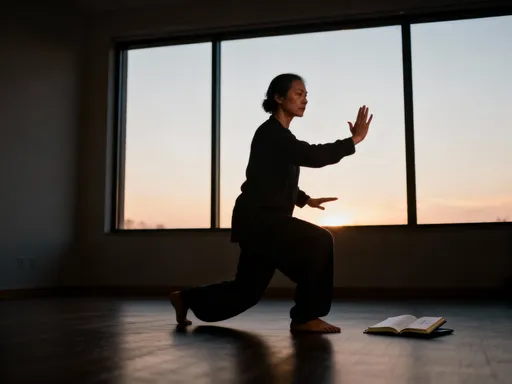
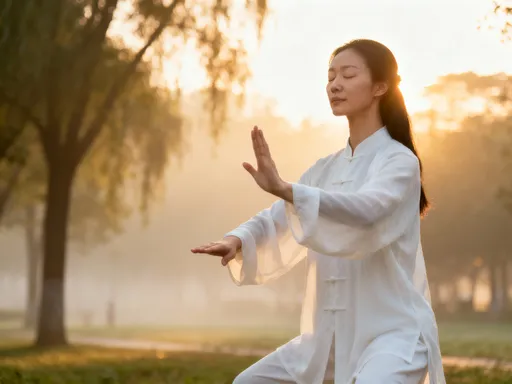
One of the most impactful additions to my routine has been yoga, particularly gentle flows that include inversions like downward dog or legs-up-the-wall pose. These poses encourage blood flow to the scalp by reversing gravity’s effect, even briefly. I don’t hold them for long—just a few minutes at a time—but over weeks, I noticed a difference in scalp sensation and hair texture. I also stretch my neck and shoulders daily, as tension in these areas can restrict blood flow to the head. Timing matters, too. I prefer morning movement for energy and evening stretching to wind down. This rhythm helps lower cortisol at night, promoting deeper sleep and reducing stress-related shedding. The key isn’t intensity—it’s showing up, day after day.
Scalp Circulation Hacks Beyond the Gym
While structured exercise is powerful, you don’t need a full workout to boost scalp circulation. Small, intentional habits can make a meaningful difference. One of the easiest and most effective is scalp massage. Just five minutes a day, using the pads of your fingers in gentle circular motions, can stimulate blood flow to follicles. I do mine while watching evening television or listening to a podcast. It’s relaxing, requires no equipment, and feels like a mini self-care ritual. Over time, I noticed my scalp felt less tight, and new baby hairs began appearing along my hairline—subtle signs of improved follicle activity.
Another technique I’ve incorporated is facial gua sha, using a jade or rose quartz tool. While often marketed for skin, the gentle scraping motion also promotes lymphatic drainage and circulation in the head and neck area. I use light pressure along the jawline, temples, and scalp, always moving upward. It takes less than ten minutes and complements my evening routine. Some women also try upside-down rinsing in the shower—bending forward and letting water flow over the scalp while massaging. This position temporarily increases blood flow, mimicking the effect of inversions. I do this once or twice a week, especially after workouts, to enhance circulation and cleanse the scalp thoroughly.
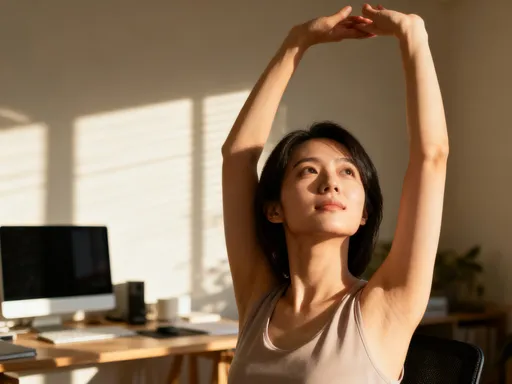
Posture and neck mobility also play a role. Many of us spend hours looking down at screens, which can compress blood vessels in the neck and reduce flow to the head. Simple neck stretches—like gently tilting the head side to side or rolling the shoulders—can help release tension. I set reminders to adjust my posture every hour, especially when working from home. Dry brushing before a shower is another habit I’ve adopted. Using a soft-bristled brush on the scalp in upward strokes helps exfoliate dead skin and stimulate circulation. But I’m careful not to overdo it—aggressive brushing or scratching can damage delicate follicles. The goal is gentle stimulation, not irritation. These small practices, when done consistently, add up to a healthier scalp environment.
Lifestyle Synergy: Sleep, Stress, and Sweat Management
Hair health doesn’t exist in isolation. It’s deeply connected to other aspects of wellness, particularly sleep and stress management. Poor sleep disrupts the body’s repair processes, including hair growth. During deep sleep, the body releases growth hormone and repairs tissues—functions essential for maintaining healthy follicles. Chronic sleep deprivation can extend the hair’s resting phase, leading to increased shedding. At the same time, elevated cortisol from stress can shrink follicles and shorten the growth cycle. This is why movement alone isn’t enough; it must be part of a broader lifestyle approach that includes rest and recovery.
Overtraining is a real risk, especially for women eager to see results. Pushing too hard, too often, can increase inflammation and cortisol levels, counteracting the benefits of exercise. I learned this the hard way when I tried a 30-day intense challenge and noticed more hair in my brush afterward. Since then, I’ve prioritized balance—listening to my body, resting when needed, and avoiding burnout. Recovery is just as important as activity. I make sure to cool down after workouts with light stretching and deep breathing, which helps transition the body into a relaxed state.
Post-workout care also matters. I rinse my scalp after sweating, especially if I won’t be able to shower right away. This prevents sweat and oil buildup that might irritate the scalp. Hydration is another key piece—drinking enough water supports circulation and helps flush out toxins. I keep a glass of water nearby during and after movement. I also pay attention to how I feel emotionally. Movement should energize, not exhaust. When I stick to a moderate, consistent routine, I sleep better, feel calmer, and notice my hair responds positively. It’s not about doing everything perfectly—it’s about creating a rhythm that supports overall well-being, and by extension, hair health.
Realistic Expectations and the Long Game
If you’re hoping for overnight transformation, it’s important to adjust your expectations. Hair grows slowly, and changes take time. I didn’t see noticeable improvements until about four months into my routine. At first, the signs were subtle: less breakage when brushing, a slight increase in shine, and fewer strands on my pillow. Then, around the five-month mark, I started seeing tiny baby hairs along my hairline—soft, fine, but undeniably new growth. These are the kinds of wins that matter, even if they don’t make for dramatic before-and-after photos.
I began tracking progress by taking monthly photos under the same lighting and journaling how my hair felt. This helped me stay motivated during plateaus. Some months, progress was slow, but consistency kept me going. I also paid attention to non-visual changes—like how my scalp felt less dry, or how my energy levels improved. These are part of the bigger picture. Hair health is not just about appearance; it’s a reflection of your internal state. When you move with intention, rest well, and manage stress, your body responds in ways that go beyond the mirror.
What I’ve learned is that this journey isn’t about chasing trends or comparing myself to others. It’s about building a foundation of care that lasts. You’re not just exercising for your body—you’re nourishing your hair from within. Each heartbeat sends nourishment upward. Each mindful choice supports a system that, over time, produces stronger, healthier strands. It’s not flashy or fast, but it’s real. And for women navigating the changes that come with age, stress, or lifestyle shifts, that kind of steady, sustainable progress is exactly what we need.
Hair health isn’t something you rush—it’s something you grow, slowly and steadily, through daily choices. Exercise isn’t just about fitness; it’s a quiet act of care for every part of you, even the strands on your head. By moving with purpose and consistency, you’re not chasing trends—you’re building a stronger foundation, one heartbeat at a time.