Hair That Breathes, Mind That Calms: My Fast Track to Scalp and Soul Balance
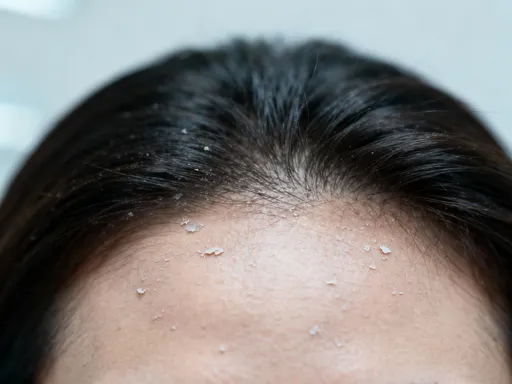
Stress hits hard—especially when it shows up in your hair. I used to panic over shed strands and itchy scalp, not realizing my mind was the real starting point. Turns out, fast hair wellness isn’t about fancy serums—it’s about calming the chaos inside. When I shifted from fighting symptoms to restoring balance, everything changed. This is how I learned to care for my hair *and* my mental calm in real, simple ways. What began as a quiet worry over more hair in the brush than ever before turned into a journey of deeper awareness, one that revealed how closely our outer appearance mirrors inner equilibrium. The scalp, often overlooked, became my barometer for stress, resilience, and healing.
The Wake-Up Call: When My Hair Started Talking Back
It wasn’t one bad day. It was the accumulation—long work hours, sleepless nights, and a constant hum of low-grade anxiety that had become background noise. Then, one morning, I noticed it: clumps of hair caught in the bristles of my brush. Not just a few strands, but enough to make me pause. I ran my fingers through my ponytail and felt thinness where there used to be fullness. My heart sank. This wasn’t just about vanity. It was about feeling like my body was betraying me at a time when I needed strength the most.
Looking in the mirror, I didn’t recognize myself. The hairline seemed wider, the part deeper. I started avoiding photos, pulling my hair into tighter styles to hide the loss. What troubled me most wasn’t the shedding itself, but the helplessness that came with it. I tried everything—expensive shampoos, thickening sprays, even a scalp serum recommended by a friend. But nothing stopped the daily loss. I was treating the surface while ignoring the storm beneath.
It wasn’t until I spoke with a holistic health practitioner that I began to see the bigger picture. She didn’t ask about my hair products first. She asked about my sleep, my stress levels, my meals. That’s when it clicked: my hair wasn’t failing me. It was signaling that something deeper needed attention. The scalp, she explained, is rich in nerve endings and blood vessels—highly responsive to the body’s internal environment. When stress becomes chronic, the body redirects resources away from non-essential functions, including hair growth. My hair wasn’t broken. It was speaking a language I hadn’t been listening to.
The Science Behind Hair and Stress: What We Often Miss
To understand what was happening, I had to learn how hair grows in the first place. Hair follows a natural cycle made up of three phases: anagen (the growth phase), catagen (a short transition phase), and telogen (the resting phase before shedding). Normally, about 85–90% of our hair is in the anagen phase at any given time, growing steadily for two to six years. The rest is in catagen or telogen, with roughly 50–100 hairs shed daily as part of the natural turnover.
But under prolonged stress, this cycle gets disrupted. The body releases cortisol, often called the “stress hormone,” which plays a vital role in helping us respond to challenges. However, when cortisol stays elevated for weeks or months, it interferes with the hair follicle’s ability to function properly. Research has shown that high cortisol levels can shorten the anagen phase, pushing more follicles into the telogen phase prematurely. This condition, known as telogen effluvium, leads to excessive shedding a few months after a stressful event—exactly what I was experiencing.
Another critical factor is blood flow. Hair follicles require a steady supply of oxygen and nutrients to stay active. Stress triggers the sympathetic nervous system, which prepares the body for “fight or flight.” During this state, blood is diverted away from the skin and scalp and redirected to vital organs and muscles. Over time, reduced circulation means follicles receive less nourishment, weakening their ability to sustain growth. This is why many people notice hair thinning not during the peak of stress, but weeks or months later—once the body begins to recover and the shedding becomes visible.
Studies published in dermatology journals have consistently linked chronic psychological stress with increased incidence of hair loss conditions, including telogen effluvium and even alopecia areata in predisposed individuals. One 2020 review highlighted that patients reporting high stress levels were significantly more likely to experience hair shedding compared to those with lower perceived stress. The connection isn’t just anecdotal—it’s physiological. The scalp, far from being a passive canvas, is dynamically influenced by our emotional and nervous system states.
Fast Doesn’t Mean Quick Fix—Redefining Speed in Hair Wellness
When I first began searching for solutions, I was drawn to promises of “rapid results” and “instant thickness.” Ads showed women flipping luscious locks after just one week of using a new product. I bought into the idea that faster was better. But the truth is, real hair wellness doesn’t come from speed—it comes from consistency and alignment with the body’s natural rhythms. What I now understand as “fast” isn’t about overnight transformation, but about creating momentum through sustainable, supportive practices.
Chasing quick fixes often leads to harsh treatments—overwashing, aggressive chemical products, or even over-supplementing—that can further damage the scalp. Some women resort to steroid injections or prescription medications without addressing the root cause. While these may offer temporary relief, they don’t resolve the underlying imbalance. True progress happens when we stop fighting the symptom and start supporting the system.
“Fast” in this context means responsive care—actions that quickly signal safety and nourishment to the body. For example, a five-minute scalp massage may not grow new hair overnight, but it can immediately improve blood flow and reduce tension. Similarly, stabilizing blood sugar through balanced meals doesn’t thicken hair in a day, but it creates the internal stability needed for regrowth over time. These small, consistent inputs build up, creating a foundation where healing can occur naturally.
Instead of asking, “How fast can I grow hair?” I began asking, “How quickly can I restore balance?” This shift in mindset changed everything. I stopped measuring success by the number of strands in my brush and started noticing subtler signs: a calmer mind, less scalp itching, improved sleep. These were the early indicators that my body was shifting from survival mode to repair mode—the true starting point for hair recovery.
Mind-Scalp Connection: Training Your Nervous System for Hair Growth
The most surprising discovery in my journey was realizing that hair growth begins not in the follicle, but in the nervous system. When the body is in a constant state of stress, it remains in sympathetic dominance—alert, tense, and conserving energy. In this state, non-essential functions like hair growth are deprioritized. But when we activate the parasympathetic nervous system—the “rest and digest” mode—blood flow increases, inflammation decreases, and repair processes are prioritized.
The scalp is especially responsive to this shift. It’s densely packed with blood vessels and nerve endings, making it highly sensitive to changes in nervous system activity. Simple relaxation practices can trigger immediate improvements in microcirculation, delivering more oxygen and nutrients to follicles. Over time, this creates an environment where hair can thrive.
I began incorporating daily 5-minute practices to signal safety to my body. One of the most effective was diaphragmatic breathing—inhaling slowly through the nose, allowing the belly to rise, and exhaling fully through the mouth. Doing this for just a few minutes before bed or during a break at work helped lower my heart rate and quiet mental chatter. I noticed that on days I practiced breathwork, my scalp felt less tight and irritated.
Another powerful tool was mindful touch. I started ending my breathing sessions with a gentle hand placement on my scalp, simply noticing sensations without judgment. This act of intentional awareness helped me reconnect with a part of my body I had been avoiding. Over time, this evolved into a daily ritual that combined breath, touch, and presence—transforming a moment of self-care into a neural reset.
The 3-Minute Hair Ritual That Doubles as Mental Reset
One of the most transformative habits I adopted was a simple 3-minute scalp massage. It required no tools, no products, and could be done anytime—during a phone call, while listening to music, or before bed. The technique was gentle but deliberate: using the pads of my fingertips (not nails), I applied light to moderate pressure in circular motions across the entire scalp, starting at the temples and moving toward the crown, then the back of the head.
I learned that certain areas of the scalp are connected to relaxation pathways. The temples, for instance, sit near the superficial temporal artery and are linked to tension relief. The base of the skull, where the neck meets the head, is home to several key nerves and muscles that hold stress. Focusing on these zones helped release built-up tightness. I also paid attention to the crown, where many people unconsciously clench during stress.
What made this practice powerful wasn’t just the physical stimulation, but the mental shift it created. Instead of rushing through it, I began doing the massage with full attention—feeling the pressure, noticing warmth, observing any tingling or pulsing. This turned a routine act into a mindfulness practice. Over time, I associated the sensation with safety and care, which further deepened the relaxation response.
Within days, I noticed changes. My scalp felt less flaky, less itchy. My hair had more shine, and the shedding gradually slowed. But beyond the physical, I felt calmer. The ritual became a pause in my day—a moment to check in with myself. It wasn’t about fixing anything. It was about presence. And in that presence, healing began.
Nutrition and Nerves: Foods That Feed Both Hair and Calm
No amount of scalp massage or breathwork can compensate for a body running on empty. I realized that my diet—full of convenience meals, caffeine, and sugar spikes—was fueling both my anxiety and my hair loss. Blood sugar swings were keeping my cortisol levels elevated, creating a cycle of stress and depletion. To break it, I had to rethink what I was eating, not for weight or trends, but for stability and nourishment.
Key nutrients play a dual role in supporting both hair health and nervous system function. Zinc, for example, is essential for hair tissue growth and repair, and it also supports immune function and mood regulation. I began incorporating more pumpkin seeds, lentils, and grass-fed beef into my meals. Biotin, often marketed for hair growth, is involved in keratin production, but it works best when part of a balanced nutrient profile. Instead of relying on supplements, I focused on whole food sources like eggs, almonds, and sweet potatoes.
Omega-3 fatty acids, found in fatty fish, flaxseeds, and walnuts, are powerful anti-inflammatory agents. They help reduce scalp inflammation, which can contribute to flakiness and poor follicle health. At the same time, they support brain health and emotional balance. Magnesium, known as the “relaxation mineral,” helps regulate cortisol and supports muscle and nerve function. I added spinach, avocados, and dark chocolate (in moderation) to my daily intake.
But more than individual nutrients, I focused on meal rhythm. Instead of skipping breakfast or eating late at night, I aimed for three balanced meals with protein, healthy fats, and fiber. This helped stabilize my energy and prevented the crashes that left me reaching for sugar. I also reduced caffeine after noon, which improved my sleep quality—a critical factor in hair repair. Over time, my mood became steadier, my cravings decreased, and my hair began to reflect that inner calm.
Environment, Habits, and Hidden Stressors Affecting Hair
Even with better nutrition and mindfulness practices, I hit plateaus. That’s when I started looking at my environment and daily habits more closely. I realized that some of my routines—seemingly harmless—were adding to my body’s stress load. For example, I was washing my hair every day with a sulfated shampoo, which was stripping my scalp of natural oils and causing irritation. I switched to a gentler formula and reduced washing frequency, which immediately improved scalp comfort.
Sleep quality was another hidden factor. Hair repair happens primarily during deep sleep, when the body produces growth hormone and reduces cortisol. But I was often scrolling on my phone in bed, exposing myself to blue light that suppressed melatonin. I created a new bedtime routine: no screens after 9 PM, reading instead, and using a silk pillowcase to reduce friction on my hair. Silk is smoother than cotton, minimizing breakage and helping retain moisture.
Environmental pollutants—like dust, smoke, and hard water—can also accumulate on the scalp, clogging follicles and causing inflammation. I started rinsing my hair with filtered water when possible and wore a hat on windy or polluted days. I also paid attention to heat styling. While I didn’t give up my flat iron completely, I limited its use and always applied a heat protectant.
Perhaps the most subtle stressor was mental clutter. Constant notifications, multitasking, and a packed schedule kept my mind in overdrive. I began scheduling “quiet hours” where I turned off notifications and focused on one task at a time. This cognitive decluttering had a surprising effect: my scalp tension decreased, and I felt more grounded. Small environmental and behavioral shifts, when combined, created space for healing to accelerate.
Putting It All Together: A Realistic 7-Day Reset Plan
After months of trial and error, I designed a simple 7-day reset plan that integrated everything I had learned. It wasn’t about perfection, but about consistency and rhythm. Each day included a morning and evening anchor, with flexible practices in between.
Each morning began with a 3-minute breathwork session followed by the 3-minute scalp massage. I paired this with a nourishing breakfast—like oatmeal with seeds and fruit or scrambled eggs with spinach. During the day, I focused on balanced meals, stayed hydrated, and took short walking breaks to clear my mind. In the evening, I repeated the scalp massage, avoided screens an hour before bed, and practiced gratitude journaling to shift my mental state.
Day 1 focused on awareness: noticing how my scalp felt, tracking my mood, and identifying stress triggers. Day 2 introduced breathwork and mindful eating. Day 3 emphasized sleep hygiene and reduced hair washing. Day 4 incorporated omega-3 rich foods and digital detox. Day 5 deepened the scalp ritual and added magnesium-rich foods. Day 6 focused on gentle movement like stretching or yoga. Day 7 was reflection—reviewing progress, not by hair volume, but by energy, calm, and scalp comfort.
By the end of the week, I didn’t have a full head of new growth—but I had something more valuable: a sense of control and connection. The shedding had slowed, my scalp was less reactive, and my mind felt clearer. The plan wasn’t a cure, but a reset—a way to align my daily habits with my body’s need for balance.
Beyond Hair: How This Journey Healed My Inner Rhythm
The most unexpected outcome of this journey was how much it healed beyond my hair. As I prioritized rest, nourishment, and mindfulness, I noticed improvements in areas I hadn’t targeted. My sleep deepened. My focus sharpened. I became more patient, more present with my family. Emotional ups and downs became less intense, more manageable. I realized that by caring for my scalp, I was really caring for my entire system.
My hair became a compass, pointing me toward greater well-being. When I felt stress rising, I noticed it in my scalp before anything else. That early warning system allowed me to intervene sooner—with a breath, a pause, a moment of self-kindness. Over time, I stopped seeing hair loss as an enemy and started seeing it as a teacher.
The long-term shift was from fixing to nurturing. I no longer chase perfection. Instead, I listen. I respond. I support. This mindset has made the difference—not just in the thickness of my hair, but in the quality of my life. Hair wellness, I’ve learned, is not a destination. It’s a practice. And in that practice, I found not just stronger strands, but a calmer mind, a more resilient spirit, and a deeper trust in my body’s wisdom.