How I Turned My Fatty Liver Around — A Real Talk on Liver Care and Daily Habits
Fatty liver affects millions, often without symptoms, yet it can silently harm your health. I discovered mine through a routine checkup and was shocked—no pain, no warning. What followed was a journey of small, science-backed changes that made a real difference. This is not a cure, but a practical look at how daily choices can support liver healing. Always consult your doctor—this is about maintenance, not medicine.
The Silent Alarm: Understanding Fatty Liver
Fatty liver, or hepatic steatosis, occurs when excess fat builds up in liver cells. Normally, the liver contains little to no fat, but when fat makes up more than 5% of liver weight, it is classified as fatty liver disease. This condition is often called “silent” because it typically causes no noticeable symptoms in its early stages. Many people live with it for years without knowing, only discovering it during routine blood tests or imaging for unrelated issues. The lack of pain or immediate discomfort can make it easy to ignore, but untreated fatty liver can progress to inflammation, scarring (fibrosis), and in severe cases, cirrhosis or liver failure.
There are two primary types of fatty liver disease: alcohol-related fatty liver disease (AFLD) and non-alcoholic fatty liver disease (NAFLD). As the names suggest, AFLD is linked to heavy alcohol consumption, while NAFLD occurs in people who drink little to no alcohol. NAFLD has become increasingly common, closely tied to modern lifestyle patterns such as poor diet, physical inactivity, and rising rates of obesity. It is now one of the leading causes of chronic liver disease worldwide, affecting an estimated 25% of adults globally. Because it is not caused by alcohol, many people are surprised to learn they have it, especially if they consider themselves moderate drinkers or abstainers.
Risk factors for NAFLD include overweight or obesity, insulin resistance (often associated with prediabetes or type 2 diabetes), high levels of triglycerides or LDL cholesterol, and a sedentary lifestyle. Genetics may also play a role, meaning some individuals are more predisposed than others. However, lifestyle remains the most modifiable and powerful factor. The good news is that early-stage fatty liver is often reversible. Unlike more advanced liver damage, which can be permanent, mild to moderate fat accumulation can be reduced or even eliminated through consistent, healthy habits. This makes early detection and proactive management crucial for long-term health.
Why the Liver Matters More Than You Think
The liver is one of the most hardworking organs in the body, performing over 500 essential functions. It acts as the body’s central processing unit, managing everything from detoxifying harmful substances to producing proteins, storing energy, and regulating metabolism. Think of it as your body’s power plant—when it’s running smoothly, all systems function efficiently. But when it’s overburdened, the entire body feels the strain. One of its key roles is processing nutrients from food, filtering toxins from the bloodstream (including alcohol, medications, and environmental pollutants), and converting excess glucose into glycogen for storage. It also produces bile, which helps digest fats, and regulates blood clotting factors.
When the liver becomes fatty, its ability to carry out these tasks is compromised. Fat accumulation interferes with normal cell function, leading to inflammation and oxidative stress. Over time, this can impair the liver’s efficiency, slowing down metabolism and reducing energy production. As a result, people with fatty liver may experience unexplained fatigue, sluggish digestion, and a general sense of low vitality. More importantly, a struggling liver increases the risk of developing serious health conditions, including type 2 diabetes, cardiovascular disease, and advanced liver disease. Research shows that NAFLD is independently associated with a higher risk of heart attacks and strokes, even in individuals without other traditional risk factors.
Despite its importance, liver health is often overlooked. Many people believe that as long as they avoid alcohol or take occasional “liver cleanses,” their liver will stay healthy. However, there is no scientific evidence supporting the effectiveness of commercial detox products or juice fasts. The liver naturally detoxifies the body every day without special diets or supplements. These so-called cleanses often lack nutritional balance and can even be harmful if followed for extended periods. Instead of quick fixes, the liver benefits most from consistent, sustainable habits—such as eating whole foods, staying active, and managing weight. Supporting liver function is not about drastic interventions but about creating a lifestyle that reduces its workload and promotes healing over time.
Spotting the Hidden Signs—Before It’s Too Late
One of the greatest challenges with fatty liver is that it rarely announces itself. Most people do not experience pain, jaundice, or other obvious symptoms in the early stages. Unlike conditions that cause acute discomfort, fatty liver develops gradually, making it easy to dismiss subtle changes in how you feel. This is why it is often discovered incidentally—during a routine physical, blood work for another concern, or an abdominal ultrasound for gallbladder issues. By the time symptoms appear, the condition may have already progressed, which is why awareness and proactive screening are so important.
That said, there are some quiet signals the body may send. Mild, persistent fatigue is one of the most common but overlooked clues. If you find yourself feeling unusually tired despite getting enough sleep, it could be a sign that your liver is not functioning optimally. Some people report a dull discomfort or fullness in the upper right abdomen, where the liver is located. Others notice that their digestion feels off—perhaps more bloating, indigestion, or changes in appetite. These signs are non-specific and can be attributed to many causes, which is why they are often ignored. However, when combined with risk factors like weight gain or a family history of diabetes, they warrant further investigation.
Blood tests are often the first clue. Elevated liver enzymes—such as alanine aminotransferase (ALT) and aspartate aminotransferase (AST)—can indicate liver cell damage or inflammation. While these markers don’t confirm fatty liver on their own, they prompt doctors to look deeper. Imaging tests like ultrasound are commonly used to detect fat in the liver. They are non-invasive, widely available, and effective at identifying moderate to severe fat accumulation. For a more detailed assessment, a FibroScan may be used. This specialized ultrasound measures liver stiffness and fat content, helping to estimate the degree of fibrosis or scarring. In some cases, a liver biopsy may be recommended, but this is typically reserved for more advanced cases or when the diagnosis is uncertain.
Because fatty liver is so prevalent and often silent, experts recommend regular health screenings for individuals over 40, especially those with risk factors. Women in the 30–55 age group, particularly those managing weight, blood sugar, or cholesterol, should discuss liver health with their healthcare provider. Early detection allows for timely intervention, increasing the chances of reversing the condition before irreversible damage occurs. Being proactive doesn’t mean living in fear—it means giving yourself the opportunity to make changes that support long-term well-being.
Diet Changes That Actually Work—No Gimmicks
Diet plays a central role in both the development and reversal of fatty liver. What you eat directly influences fat accumulation in the liver, especially when it comes to refined carbohydrates and added sugars. One of the most significant dietary contributors to NAFLD is fructose, a type of sugar found in high-fructose corn syrup and many processed foods. Unlike glucose, which can be used by nearly every cell in the body, fructose is primarily metabolized in the liver. When consumed in excess, it overwhelms the liver’s capacity and is converted into fat. This process, known as de novo lipogenesis, is a key driver of liver fat buildup.
Sugary beverages are among the worst offenders. Sodas, sweetened teas, energy drinks, and even fruit juices can deliver large amounts of fructose in liquid form, which the body absorbs quickly. Studies have shown that people who consume one or more sugary drinks per day have a significantly higher risk of developing fatty liver compared to those who avoid them. The same applies to processed snacks, baked goods, and breakfast cereals that are high in added sugars and low in fiber. These foods not only contribute to liver fat but also promote insulin resistance, weight gain, and inflammation—all of which worsen liver health.
The good news is that dietary changes can have a powerful impact. Reducing or eliminating added sugars is one of the most effective steps. This means reading labels carefully and choosing whole, unprocessed foods whenever possible. Focus on increasing intake of fiber-rich vegetables, legumes, whole grains, and fruits in their natural form. Fiber slows the absorption of sugar, helps regulate blood glucose, and supports a healthy gut microbiome, which is increasingly linked to liver health. Replace white bread, white rice, and sugary cereals with whole grain alternatives like oats, quinoa, and brown rice. These complex carbohydrates provide steady energy and help prevent blood sugar spikes.
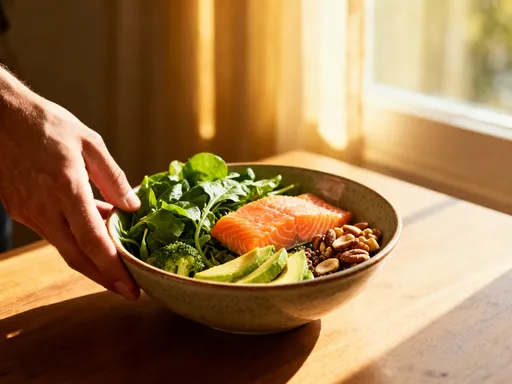
Healthy fats are also important. Contrary to outdated beliefs, not all fats are harmful to the liver. In fact, monounsaturated and polyunsaturated fats—found in olive oil, avocados, nuts, and fatty fish—can support liver function and reduce inflammation. Omega-3 fatty acids, in particular, have been shown to lower liver fat levels in clinical studies. At the same time, it’s wise to limit saturated fats from fried foods, processed meats, and full-fat dairy, as these can contribute to insulin resistance and fat accumulation. Lean proteins like skinless poultry, fish, tofu, and legumes provide essential amino acids without overloading the liver. Cooking at home gives you control over ingredients, allowing you to avoid hidden sugars and unhealthy fats commonly found in restaurant and packaged meals.
Movement as Medicine: Exercise and Liver Fat
Physical activity is one of the most underrated tools for improving liver health. Research consistently shows that regular exercise can reduce liver fat, even in the absence of significant weight loss. This is encouraging news for those who find weight management challenging, as it means that movement itself has direct benefits on the liver. Exercise improves insulin sensitivity, reduces inflammation, and enhances the body’s ability to burn fat for fuel—all of which help reverse fatty liver. Both aerobic and resistance training have been shown to be effective, making it possible to tailor a routine to individual preferences and abilities.
Aerobic exercise, such as brisk walking, cycling, swimming, or dancing, increases heart rate and oxygen consumption, promoting fat burning throughout the body, including the liver. Studies have found that just 30 minutes of moderate-intensity aerobic activity five times a week can lead to measurable reductions in liver fat within a few months. The key is consistency. It’s better to walk daily at a comfortable pace than to exercise intensely once a week and then remain sedentary. For many women in the 30–55 age group, fitting in movement around family and work responsibilities can be difficult, but even short bouts of activity add up. A 10-minute walk after meals, taking the stairs instead of the elevator, or parking farther away from store entrances are simple ways to increase daily movement.
Resistance or strength training is equally important. Building muscle mass increases resting metabolic rate, meaning the body burns more calories even at rest. This helps regulate blood sugar and reduces fat storage in the liver. Activities like lifting light weights, using resistance bands, or doing bodyweight exercises (such as squats, lunges, and push-ups) two to three times per week can make a meaningful difference. You don’t need a gym membership or expensive equipment—many effective routines can be done at home with minimal space. The goal is not to become a bodybuilder but to support metabolic health and overall strength.
Motivation can be a hurdle, especially when results aren’t immediately visible. Since liver fat isn’t something you can see or feel, progress may seem invisible. That’s why focusing on how you feel—more energy, better sleep, improved mood—can be more rewarding than waiting for a number on a scale or a lab test. Tracking steps with a pedometer or fitness app, scheduling workouts like appointments, and finding a walking buddy can help maintain consistency. Remember, exercise is not about punishment or extreme effort; it’s about giving your body the movement it was designed for. Over time, these small efforts compound into real, lasting benefits for your liver and overall health.
Sleep, Stress, and the Liver Connection
While diet and exercise are often the focus of liver health, sleep and stress management are equally important yet frequently overlooked. Chronic stress and poor sleep disrupt hormonal balance, which in turn affects liver function. When the body is under constant stress, it produces higher levels of cortisol, the primary stress hormone. Elevated cortisol increases blood sugar and promotes fat storage, particularly in the abdominal area and the liver. It also contributes to insulin resistance, creating a cycle that worsens fatty liver. Similarly, lack of quality sleep impairs glucose metabolism and increases appetite, often leading to poor food choices and reduced motivation to exercise.
Sleep is a time of repair and regeneration for the body, including the liver. During deep sleep, the liver performs critical detoxification processes and restores energy reserves. When sleep is disrupted or insufficient—typically less than 7 hours per night—these functions are compromised. Studies have linked short sleep duration and poor sleep quality to higher liver enzyme levels and increased risk of NAFLD. Shift work, frequent nighttime awakenings, and conditions like sleep apnea can all negatively impact liver health. Creating a consistent sleep routine helps regulate circadian rhythms, which influence metabolic processes throughout the body.
Managing stress is equally vital. Long-term stress doesn’t just affect mood—it has physical consequences that extend to organ function. Practices such as mindfulness, deep breathing, gentle yoga, or spending time in nature can help lower cortisol levels and improve emotional resilience. Even 10 minutes of quiet reflection or journaling before bed can make a difference. Reducing screen time in the evening, especially from phones and tablets, supports better sleep by minimizing blue light exposure, which interferes with melatonin production. Creating a calming bedtime routine—such as reading, taking a warm bath, or listening to soothing music—signals to the body that it’s time to wind down.
Taking care of your liver isn’t just about what you eat or how much you move. It’s about creating a lifestyle that supports balance and recovery. When sleep and stress are managed well, it becomes easier to make healthy food choices, stay active, and maintain motivation. These elements work together, forming a foundation for sustainable well-being. Treating your body with kindness—by resting enough and reducing unnecessary stress—is a powerful form of self-care that directly benefits your liver.
Putting It All Together—A Sustainable Routine
Reversing fatty liver isn’t about following a strict diet for a few weeks or doing intense workouts until you’re exhausted. It’s about building a sustainable, balanced routine that supports your liver every day. Think of it as a long-term commitment to your health, not a short-term fix. Start by making one or two small changes at a time—perhaps swapping soda for water or adding a 15-minute walk after dinner. Once those habits feel natural, add another. This gradual approach increases the likelihood of long-term success because it allows your body and mind to adapt without feeling overwhelmed.
A sample daily structure might include a breakfast of oatmeal with berries and nuts, a lunch of grilled chicken with quinoa and roasted vegetables, and a dinner of baked salmon with sweet potato and a side salad. Snacks can include Greek yogurt, apple slices with almond butter, or a handful of walnuts. Drink plenty of water throughout the day, aiming for at least 8 cups. Incorporate movement into your routine—perhaps a morning stretch, a lunchtime walk, or an evening strength session at home. Prioritize sleep by going to bed and waking up at consistent times, even on weekends. Manage stress through mindful moments, whether it’s deep breathing, gardening, or simply sitting quietly with a cup of herbal tea.
It’s also important to avoid extreme diets or detox trends that promise quick results. Very low-calorie diets, juice cleanses, or fasting regimens may lead to short-term weight loss but can strain the liver and lead to nutrient deficiencies. Some restrictive diets may even increase the risk of gallstones, which can complicate liver health. Instead, focus on balance, variety, and moderation. The goal is to create a lifestyle you can maintain for years, not one you endure for a few weeks.
Finally, remember that you are not alone in this journey. Always work with your healthcare provider to monitor your progress through blood tests and checkups. They can help interpret your results, adjust your plan if needed, and rule out other conditions. This is not about replacing medical care—it’s about enhancing it with daily habits that support healing. By making thoughtful, consistent choices, you give your liver the chance to recover and your body the foundation for lasting vitality.