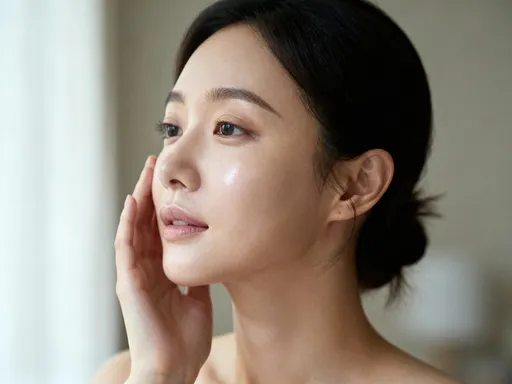
What I Learned Balancing Hormones Naturally During Menopause
Menopause isn’t an illness—it’s a natural shift every woman experiences. Yet, hot flashes, sleep troubles, and mood swings can make it feel overwhelming. I’ve been there. After years of research and personal trials, I discovered small, science-backed changes that made a real difference. This isn’t about quick fixes, but lasting balance. Let’s explore how to support your body with clarity, care, and confidence—naturally.
Understanding Menopause: More Than Just Hot Flashes
Menopause is officially diagnosed after a woman has gone 12 consecutive months without a menstrual period, typically occurring between the ages of 45 and 55. The years leading up to this milestone, known as perimenopause, often bring the first noticeable changes. During this time, the ovaries gradually produce less estrogen and progesterone, the two primary hormones that regulate menstruation, fertility, and many other bodily functions. These hormonal fluctuations are not a malfunction—they are a natural part of aging, much like puberty marked the beginning of reproductive life, menopause signals its conclusion.
Despite being a universal experience, menopause is often misunderstood. Many women assume it is a medical condition that needs to be “fixed,” but in reality, it is a physiological transition, not a disease. Symptoms vary widely because every woman’s hormonal landscape, lifestyle, and genetic background are unique. Some may experience only mild changes, while others face more disruptive challenges. This variability underscores the importance of individualized care. Rather than applying a one-size-fits-all approach, the focus should be on understanding personal patterns and responding with informed, compassionate strategies.
The decline in estrogen affects multiple systems in the body. It plays a role in regulating body temperature, maintaining bone density, supporting cardiovascular health, and influencing mood and cognitive function. Progesterone, meanwhile, helps balance estrogen’s effects, supports restful sleep, and contributes to emotional stability. When these hormones shift out of their familiar rhythms, the body must adapt. Recognizing this process as a normal phase of life—not a deficiency or failure—can empower women to navigate it with greater confidence and less fear.
The Root Causes Behind Common Symptoms
The symptoms commonly associated with menopause—such as night sweats, fatigue, brain fog, and mood swings—are not random or merely psychological. They are physiological responses to hormonal shifts, particularly the fluctuating and declining levels of estrogen and progesterone. The hypothalamus, a small region in the brain responsible for regulating body temperature, sleep, and hormone production, becomes more sensitive during this time. Even slight changes in hormone levels can trigger the hypothalamus to误read the body’s temperature, leading to sudden heat surges known as hot flashes or night sweats that disrupt sleep.
Fatigue during menopause is often linked to both hormonal changes and their secondary effects. Lower progesterone levels can impair sleep quality, while fluctuating estrogen may affect energy metabolism. Additionally, the adrenal glands, which produce stress hormones like cortisol, can become overtaxed when the body is under prolonged strain from poor sleep or emotional stress. This adrenal fatigue can further contribute to low energy, making daily tasks feel more exhausting than before. It’s important to understand that fatigue is not simply a matter of “getting older”—it is often a sign that the body is struggling to maintain balance.
Brain fog—the feeling of mental sluggishness, forgetfulness, or difficulty concentrating—is another frequently reported symptom. Estrogen supports neurotransmitter activity and blood flow to the brain, so when levels decline, cognitive processing can slow down. Sleep disruption and stress also play a role, creating a cycle where poor rest leads to reduced mental clarity, which in turn increases anxiety and frustration. Mood changes, including irritability, anxiety, or low mood, are similarly tied to hormonal shifts. Serotonin, a key neurotransmitter involved in mood regulation, is influenced by estrogen levels. When estrogen drops, serotonin activity may decrease, affecting emotional resilience.
These symptoms are not weaknesses or signs of decline—they are signals from the body asking for support. Viewing them as such shifts the perspective from frustration to empowerment. Instead of seeing menopause as an enemy to be fought, it becomes an opportunity to listen more closely to the body’s needs and make meaningful changes that promote long-term well-being.
Why a Holistic Health Mindset Matters Most
Approaching menopause with a holistic mindset means recognizing that health is not the absence of symptoms, but a state of balance across physical, emotional, and lifestyle factors. This perspective moves beyond treating isolated issues—like using medication solely for hot flashes—and instead focuses on creating conditions where the body can naturally regain equilibrium. Research consistently shows that women who view menopause as a normal life transition, rather than a medical problem, tend to experience fewer distressing symptoms and report higher quality of life.
A key component of this mindset is self-perception. Cultural narratives often portray menopause as a loss—of youth, fertility, or vitality. But this framing overlooks the potential for growth, wisdom, and renewed self-awareness. Many women find that this phase brings a deeper understanding of their bodies and a stronger motivation to prioritize self-care. Studies in psychoneuroimmunology have demonstrated that positive beliefs and emotional well-being can influence physiological outcomes, including hormone regulation and immune function. In other words, how we think and feel about menopause can actually affect how our bodies respond to it.
Self-care is not a luxury—it is a foundation for hormonal health. Simple practices like setting boundaries, allowing time for rest, and engaging in activities that bring joy can reduce stress and support hormonal balance. Chronic stress elevates cortisol, which can interfere with the production and regulation of sex hormones. By cultivating a lifestyle that includes moments of calm and connection, women can help their bodies adapt more smoothly to hormonal changes. This doesn’t require dramatic overhauls; small, consistent choices—like pausing to breathe deeply, choosing nourishing foods, or scheduling time for a walk—add up over time.
Empowerment comes from knowledge and agency. When women understand the biological processes behind their symptoms, they are better equipped to make informed decisions. They can move from feeling被动 to proactive, from overwhelmed to in control. A holistic approach doesn’t deny the challenges of menopause—it acknowledges them while offering practical, sustainable ways to meet them with strength and grace.
Nutrition as Foundational Support
Diet plays a central role in supporting hormonal balance during menopause. The foods we eat influence inflammation levels, blood sugar regulation, gut health, and the production and metabolism of hormones. Rather than focusing on restrictive diets or short-term fixes, the goal should be to build a sustainable eating pattern that provides steady energy, supports metabolic health, and reduces symptom severity. Whole, minimally processed foods form the cornerstone of this approach, offering a rich supply of nutrients that the body needs to adapt to changing hormone levels.
One of the most important dietary principles is maintaining stable blood sugar. Fluctuations in blood glucose can worsen hot flashes, fatigue, and mood swings. Eating regular meals that include a balance of complex carbohydrates, healthy fats, and protein helps prevent spikes and crashes in energy. For example, a breakfast of oatmeal with nuts and berries provides fiber, antioxidants, and slow-releasing carbohydrates, which support steady energy throughout the morning. Skipping meals or relying on sugary snacks, on the other hand, can lead to energy dips and increased cravings, creating a cycle that stresses the body.
Plant-based foods are particularly beneficial due to their high fiber and phytonutrient content. Fiber supports gut health and aids in the elimination of excess hormones, preventing their reabsorption into the bloodstream. Cruciferous vegetables like broccoli, Brussels sprouts, and kale contain compounds such as indole-3-carbinol, which help the liver metabolize estrogen efficiently. Legumes, whole grains, and flaxseeds are rich in plant phytoestrogens—molecules that have a mild estrogen-like effect and may help buffer hormonal fluctuations. While they do not replicate human estrogen, they can bind to estrogen receptors and exert a balancing effect, potentially reducing the intensity of symptoms.
Healthy fats are essential for hormone production and brain health. Omega-3 fatty acids, found in fatty fish like salmon, chia seeds, and walnuts, have anti-inflammatory properties and support cognitive function. Monounsaturated fats from avocados, olive oil, and nuts also contribute to cardiovascular health, which becomes increasingly important as estrogen’s protective effects on the heart decline. At the same time, it’s wise to limit processed foods, refined sugars, and excessive alcohol, all of which can increase inflammation, disrupt sleep, and strain the liver’s detoxification pathways.
Certain nutrients deserve special attention during menopause. Magnesium, found in leafy greens, nuts, and seeds, supports muscle relaxation, sleep, and stress response. B vitamins, particularly B6 and B12, play a role in energy metabolism and neurotransmitter synthesis. Calcium and vitamin D remain critical for bone health, as declining estrogen accelerates bone loss. While supplements can help fill gaps, they should not replace a nutrient-dense diet. The focus should always be on food first, with supplementation guided by individual needs and professional advice.
Movement That Supports, Not Drains
Physical activity is a powerful tool for managing menopausal symptoms and supporting long-term health. Exercise influences hormone regulation, improves sleep quality, boosts mood, and helps maintain a healthy weight—all of which are crucial during this life stage. However, the type and intensity of movement matter. The goal is not to push the body to exhaustion, but to support its natural rhythms and build resilience over time. A balanced routine that includes strength training, cardiovascular exercise, and mindful movement offers the most comprehensive benefits.
Strength training is especially important for women in midlife. As estrogen levels drop, the rate of bone loss increases, raising the risk of osteoporosis. Weight-bearing exercises like lifting dumbbells, using resistance bands, or doing bodyweight exercises such as squats and lunges stimulate bone growth and improve muscle mass. Stronger muscles also support joint stability, reducing the risk of injury and making daily activities easier. Contrary to outdated myths, strength training does not lead to bulky muscles in women—it enhances functional strength, posture, and metabolic rate, helping to prevent age-related muscle loss known as sarcopenia.
Gentle cardiovascular exercise, such as brisk walking, cycling, or swimming, supports heart health and circulation. These activities improve oxygen delivery to tissues, enhance mood through the release of endorphins, and help regulate body temperature—potentially reducing the frequency or intensity of hot flashes. Unlike high-intensity interval training, which may be too stressful for some women experiencing fatigue or adrenal imbalance, moderate cardio is sustainable and less likely to trigger inflammation or burnout.
Mindful movement practices like yoga, tai chi, or daily walks in nature offer additional benefits. Yoga combines physical postures with breath awareness, promoting relaxation and body-mind connection. Studies have shown that regular yoga practice can reduce the severity of hot flashes, improve sleep, and decrease perceived stress. Walking, especially in green spaces, has been linked to lower cortisol levels and improved emotional well-being. The rhythmic nature of walking can be meditative, providing a mental reset and a sense of calm.
Consistency is more important than intensity. Many women struggle with low energy or joint discomfort during menopause, making it difficult to maintain a regular routine. The key is to start small and build gradually. Even 15 to 20 minutes of movement most days can make a difference. Listening to the body’s signals—resting when needed, modifying exercises for comfort—ensures that physical activity remains a source of support rather than strain. Over time, this approach fosters a positive relationship with movement, one that honors the body’s changing needs.
Sleep and Stress: The Hidden Regulators
Sleep and stress are deeply interconnected, and both play a critical role in hormonal balance during menopause. Poor sleep exacerbates symptoms like fatigue, brain fog, and mood disturbances, while chronic stress disrupts the delicate feedback loops that regulate hormones. The hypothalamic-pituitary-adrenal (HPA) axis, which controls the body’s stress response, becomes more sensitive during this phase. When stress is constant, cortisol levels remain elevated, interfering with the production of progesterone and further destabilizing hormonal equilibrium.
Night sweats are one of the most common sleep disruptors during menopause. Waking up drenched in sweat not only interrupts rest but also fragments the sleep cycle, reducing the amount of restorative deep sleep and REM sleep. Over time, this sleep deprivation can impair cognitive function, weaken immunity, and increase inflammation. To improve sleep quality, it’s essential to create a supportive environment and routine. Keeping the bedroom cool, using breathable bedding, and wearing moisture-wicking sleepwear can help manage night sweats. Establishing a consistent bedtime and wake-up time—even on weekends—helps regulate the body’s internal clock, or circadian rhythm.
Sleep hygiene practices make a significant difference. Limiting screen time at least an hour before bed reduces exposure to blue light, which suppresses melatonin, the hormone that signals sleep. Engaging in calming activities such as reading, gentle stretching, or listening to soft music can signal to the body that it’s time to wind down. Avoiding caffeine in the afternoon and limiting alcohol, which may initially induce drowsiness but ultimately disrupts sleep architecture, are also important steps.
Stress management is equally vital. Chronic stress keeps the body in a state of “fight or flight,” which is not conducive to hormonal balance or restful sleep. Techniques such as diaphragmatic breathing, mindfulness meditation, and progressive muscle relaxation can activate the parasympathetic nervous system—the “rest and digest” mode—promoting relaxation and reducing cortisol levels. Even five minutes of slow, deep breathing several times a day can lower stress and improve emotional regulation. Incorporating these practices into daily life doesn’t require special equipment or large time commitments; they can be done at home, during breaks, or before bed.
Creating a daily rhythm that includes moments of pause and connection helps restore balance. This might mean setting aside time for a morning walk, enjoying a cup of herbal tea in silence, or journaling thoughts before sleep. These small rituals reinforce a sense of control and calm, counteracting the chaos that stress can bring. When sleep improves and stress is managed, the body is better equipped to handle hormonal changes with greater ease.
When to Seek Professional Guidance
While natural approaches can significantly improve menopausal symptoms, they are not a substitute for professional medical care. Every woman’s experience is different, and some may benefit from additional support, including hormone therapy or other treatments. It’s important to consult a healthcare provider when symptoms are severe, significantly impact daily life, or persist despite lifestyle changes. A doctor can help determine whether underlying conditions—such as thyroid dysfunction, anemia, or sleep apnea—may be contributing to symptoms and recommend appropriate testing.
Blood tests and hormone panels can provide valuable information about hormone levels, though they should be interpreted with care. Hormone levels fluctuate throughout the menstrual cycle and during perimenopause, so a single test may not give a complete picture. A skilled practitioner will consider symptoms, medical history, and lab results together to develop a personalized plan. For some women, hormone therapy (HT) may be a safe and effective option, particularly for managing moderate to severe hot flashes, night sweats, or vaginal atrophy. HT is not suitable for everyone, and the decision should be made in consultation with a trusted provider, weighing individual risks and benefits.
Non-hormonal medications, such as certain antidepressants or blood pressure drugs, may also be prescribed to manage specific symptoms. These should only be used under medical supervision. Additionally, some women explore complementary therapies like acupuncture or cognitive behavioral therapy (CBT), which have shown promise in reducing hot flashes and improving mood. While these approaches can be helpful, they should be part of an integrated plan rather than standalone solutions.
The relationship between a woman and her healthcare provider is crucial. Open, honest communication ensures that concerns are heard and care is tailored to individual needs. Women should feel empowered to ask questions, seek second opinions, and advocate for themselves. Self-diagnosis and self-prescribing, especially with supplements or bioidentical hormones, carry risks and should be avoided. Working with qualified professionals ensures safety and effectiveness, allowing natural strategies and medical treatments to complement each other in a coordinated way.
Conclusion: Embracing This Chapter with Confidence
Menopause is not an ending—it is a transition into a new phase of life, one that can be approached with strength, wisdom, and self-compassion. While the physical changes can be challenging, they also offer an opportunity to deepen self-awareness and build healthier habits that last a lifetime. The journey is not about returning to how things were, but about moving forward with greater clarity and intention. By understanding the biological shifts, addressing root causes, and adopting a holistic mindset, women can navigate this stage with resilience and grace.
The foundation of well-being lies in informed choices: nourishing the body with whole foods, moving in ways that support rather than deplete, prioritizing restful sleep, and managing stress with practical tools. These are not temporary fixes, but lifelong practices that enhance overall health. At the same time, seeking professional guidance when needed ensures that care is both safe and personalized. There is no single “right” way to go through menopause—what matters most is finding what works for the individual.
This phase can be a time of renewal. Many women report feeling more confident, authentic, and free after menopause, unburdened by monthly cycles and societal expectations. By reframing menopause not as a deficit, but as a natural evolution, women can embrace it as a chapter of growth and empowerment. With the right support and mindset, this transition can become a powerful step toward lasting health, balance, and well-being.